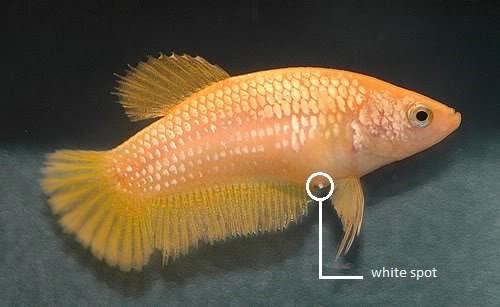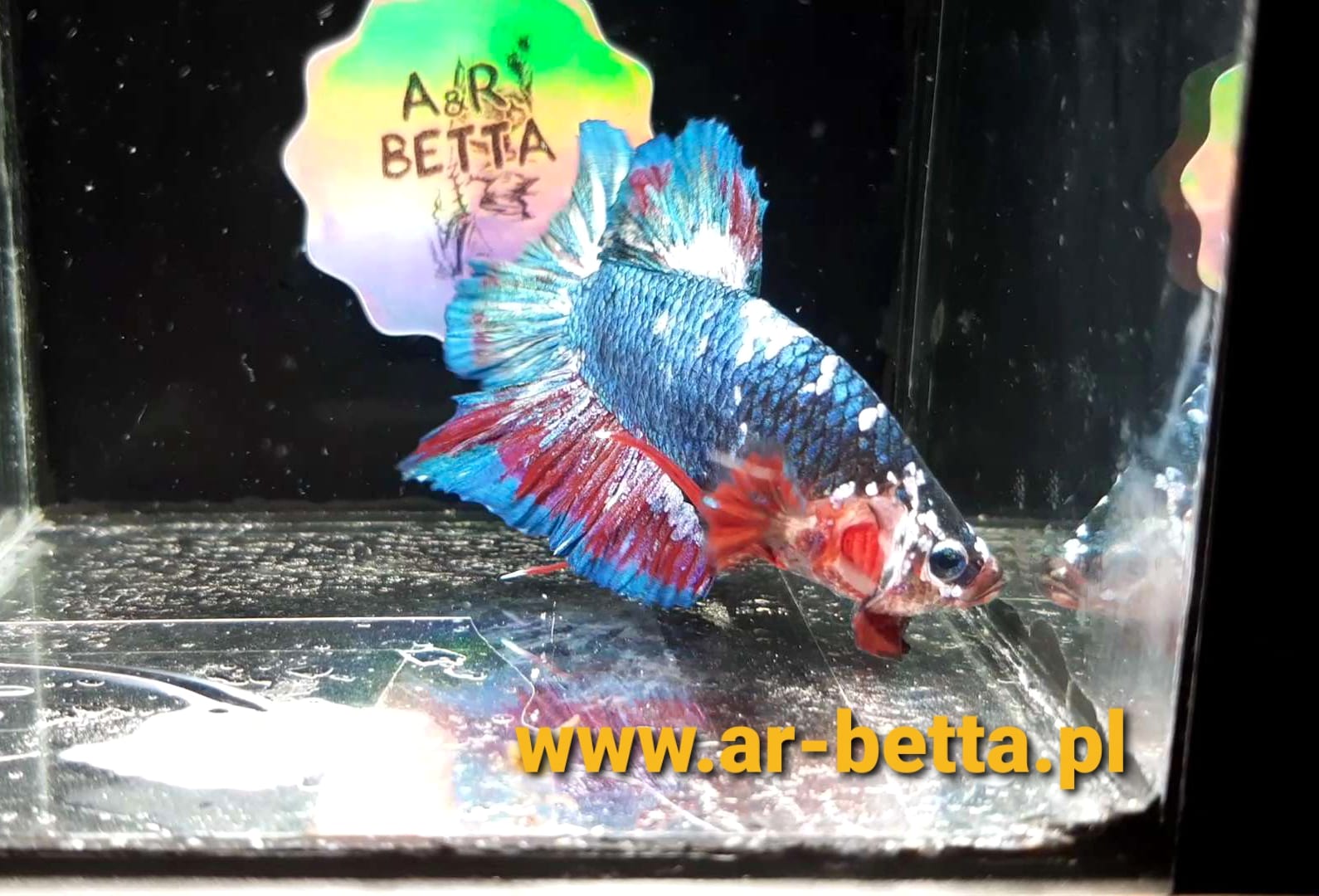
Pair selection is the 80% of breeding that happens before you put fish together. Choose well and the spawn produces predictable, named-line offspring. Choose badly and you get 300 mystery fry from an unknown-genetics mass-farm pair, most of which will never be sellable to serious keepers. This is the first decision in the breeding process and the one that matters most. Once pair selection is done, conditioning quality determines spawn yield more than any other variable; New Life Spectrum Betta Formula (affiliate) is the standard high-protein staple for the 2-week conditioning phase (IBC Exhibition Standards).
What you’re optimizing for
Four axes:
- Genetic complementarity. The male and female should have compatible genetics for the traits you want in the fry. Two marble parents produce marble fry at predictable rates. A marble with a solid can produce a fraction of marbles, a fraction of solids.
- Condition. Both fish fat with stored energy, full-finned, active, responsive. Sickly fish produce weak fry.
- Age. 6 to 12 months. Both fish at reproductive peak.
- Lineage. Documented pedigree lets you predict outcomes. Pet-store unknown genetics doesn’t.
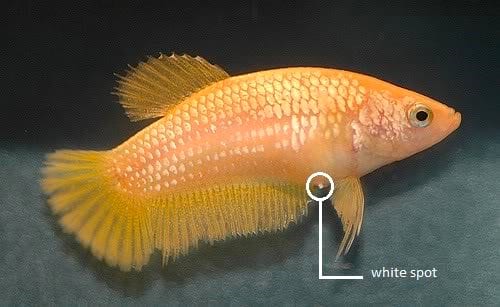
Where to source
Named breeders through AquaBid. AquaBid.com hosts auctions from Thai, Indonesian, and Western breeders with established lines. Look for breeder names repeatedly appearing: Thailand Betta Fish, JV Betta, Consolidated Fish Farms, Inglorious Bettas, Franks Bettas. Pay 20 to 80 dollars per fish, plus transshipping.
IBC-affiliated breeders. The International Betta Congress maintains a breeder directory. IBC members follow standards and typically maintain documented lines.
Facebook groups. “Betta Breeders and Enthusiasts,” regional IBC chapters, specific lineage-focused groups (halfmoon collectors, wild betta keepers).
Local hobbyist clubs. Regional aquarium societies occasionally auction betta lines from member breeders.
Not pet stores. Petco, PetSmart, and independent shop bettas are mostly mass-farm product. Pretty, cheap, unpredictable genetics. Fine for a first learning spawn.
Not impulse imports from unknown sellers. Cheap overseas shipments often carry mycobacteriosis. See mycobacteriosis.
Fin type and pairing rules
Cross within a fin type for predictable offspring. Cross between types for a messy result. Fin-type inheritance patterns align with IBC Exhibition Standards, and the underlying genetics are mapped in the 2022 phenotypic diversity study at PubMed 36129976.
| Cross | Offspring pattern |
|---|---|
| Halfmoon × Halfmoon | ~70% halfmoon, 30% super-delta and delta |
| Halfmoon × Plakat | ~50% short-finned, 50% long-finned, variable spread |
| Crowntail × Crowntail | 100% crowntail (CT is recessive; both parents must carry) |
| Crowntail × Halfmoon | 100% non-crowntail (crowntail is masked) |
| Double tail × Single tail | ~50% single tail broader-dorsal carriers, 0% double tail |
| Double tail × Double tail | ~100% double tail, but with spine deformity risk |
| Plakat × Plakat | 100% plakat |
| Veiltail × Anything | Veiltail is dominant; crosses produce ~50% veiltail |
Double-tail-to-double-tail crosses produce more extreme double tails but also more spine curvature. Most serious breeders cross DT to single-tail carriers instead (DT × DT/+ gives 50% DT fry with healthier spines).
Color pairing basics
Color inheritance is complex. Quick guide; full detail at the genetics guide:
- Red × Red: predictable red fry, some variable intensity.
- Blue (royal/steel) × Blue: predictable blue fry, some variability.
- Black melano × Black melano: infertile females. Breed bl/+ heterozygotes instead.
- Marble × Anything: marble pattern segregates through fry; results are messy but interesting.
- Dragon × Dragon: iridophore intensification compounds; fry can have extreme dragon scale at the expense of color clarity.
- Cellophane × Color: cellophane carries no pigment genes usefully; often used as a neutral cross.
Solid color × solid color (same color) produces the most predictable fry for first-time breeders. Red to red, blue to blue: pairing the same color within a documented line is also how a breeder stabilizes a color strain over successive generations, the melano exception above aside.
Age and condition
Age 6-12 months. Sexual maturity occurs around 4 months, but peak fertility is 6 to 12. Males over 2 years often fail to build nests or have reduced sperm viability. Females over 18 months produce smaller clutches.
Body condition. Both fish should be:
- Full-finned with no tears or signs of rot.
- Active, responsive, feeding aggressively.
- Visibly fat but not bloated. Some belly roundness in the female (eggs), muscular body in the male.
- Free of parasites, fungus, or visible disease.
- In quarantine for 14 days post-acquisition with no disease emergence.
Temperament. This is the one you can’t measure but matters. Some males are gentle courtiers; some are killers. If a male has previously killed a female during attempted spawning, do not breed him again. If a female seems terrified and refuses to approach, she may not be receptive; try another female.
A pair with no activity after 7 days in the spawning tank probably isn’t compatible. That’s common, not a failure on your part. Separate them and try a different pairing rather than forcing it. Match temperament as carefully as you match color.
The conditioning period starts at purchase
From the day both fish arrive, condition them in sight of each other (separated by tank divider or a short distance). This primes both fish psychologically. See conditioning for the 14-day protocol.
Questions to ask the breeder
If buying from a named breeder:
- How old is the fish?
- What’s the parent lineage?
- What traits have you selected for?
- Has the fish ever been used for breeding?
- Any known health issues in the line?
- What diet is the fish on?
- Shipping conditions, timing, and transshipper?
Reputable breeders answer all of these. Evasive answers are a red flag.
The pet-store first-spawn option
If this is your first breeding attempt and you don’t want to spend $80 per fish, a pet-store pair is a valid learning project. Accept the caveats:
- Fry will be mixed genetics.
- Fin types will segregate oddly.
- Color will be unpredictable.
- Some fry may have unknown recessive issues.
You’ll learn conditioning, spawning, fry care. The fry won’t be saleable to serious keepers, but they’re fine as pets or giveaways.
For a second spawn onward, invest in documented lines.
One more rule
Quarantine both fish 14 days before bringing them together. Separately. A disease introduced into the spawning tank destroys the project. Myco, columnaris, or ich in a spawn is a total loss.
The pair you bring to the spawning tank on day 14 should be visibly conditioned, well-fed, eager to display to each other through the divider, and in full breeding readiness. When they are, move to the spawning setup.