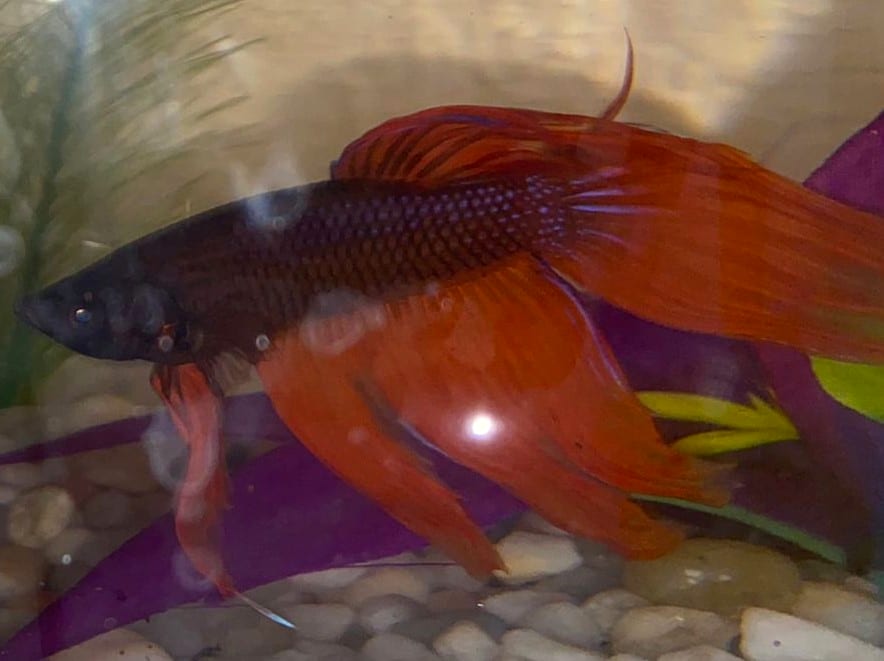
A betta not eating is almost always diagnosable if you work through the causes in order. Skipping straight to medication is the most common mistake. It treats nothing, stresses the fish, and delays finding the actual problem.
Work through this decision tree before doing anything.
Step 1: Is the fish new?
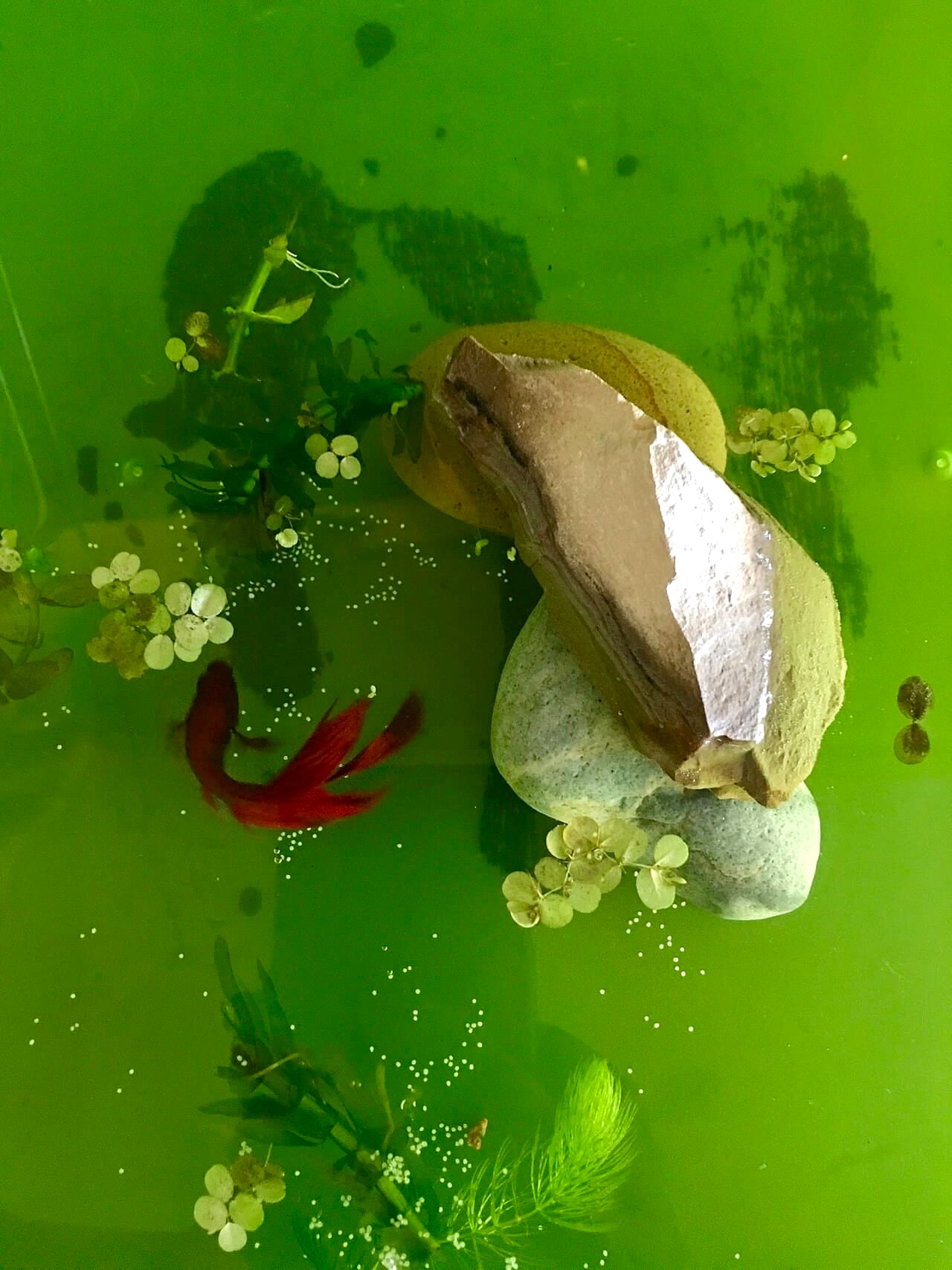
A betta purchased in the last 1–3 days has been through transport stress, a water chemistry change, and relocation. All of these suppress feeding. An otherwise active new fish that is exploring the tank, breathing normally, and showing no disease signs is almost certainly in a temporary stress fast. Offer food once a day. Remove anything uneaten after 3 minutes to prevent ammonia spikes. Wait 72 hours before escalating concern.
The vast majority of new-fish feeding refusals resolve on their own.
Step 2: Check temperature
Cold water is the single most common cause of feeding refusal in established bettas. Below 72°F, metabolism slows enough that the fish loses interest in food. Below 65°F, the immune and digestive systems both start failing.
Check the thermometer before anything else. If it reads below 76°F, address the temperature before assuming disease. A betta that returns to feeding within 24 hours of temperature correction was cold. Problem solved.
See temperature for the correct range and heater sizing.
Step 3: Test the water
Ammonia and nitrite are direct appetite suppressants in fish at low concentrations (0.25 ppm triggers behavioral changes), as documented in the Merck Veterinary Manual’s aquarium fish section and the 2022 laboratory-care review (PMC9334006). A tank that has lost its nitrogen cycle (after a filter cleaning with tap water, after medication that killed the biological filter, after a new-tank rush) will show elevated ammonia that suppresses feeding before it causes visible illness.
Test sequence: ammonia, nitrite, nitrate, pH. If ammonia or nitrite reads above zero in an established tank, address the water quality before anything else. See the nitrogen cycle.
Step 4: Check for constipation
Overfeeding is the most common husbandry mistake in the hobby. A betta fed too much, too frequently (especially on dried pellets that expand after ingestion) becomes constipated. Signs: bloated abdomen, string of undigested food or white stringy feces visible, lethargy, minimal interest in food.
Treatment: fast the fish for 2–3 days. Do not feed at all. Then offer a single daphnia (live or frozen); daphnia acts as a natural laxative. Hikari frozen daphnia cubes are the shelf-stable option: thaw a small portion in tank water and offer from tweezers. Most cases of mild constipation resolve within 3–5 days of this protocol.
Do not mistake constipation-related bloat for dropsy. Dropsy causes pineconing (scales raised at angles outward from the body), which constipation does not.
Step 5: Look for disease signs
If the fish is established, not cold, water quality is correct, and constipation doesn’t fit: look carefully for clinical signs:
| What you see | Likely cause |
|---|---|
| White spots on body/fins | Ich |
| Gold/rust dust under light | Velvet |
| Ragged, discolored fin edges | Fin rot |
| Bulging eye(s) | Popeye |
| Bloated + raised scales | Dropsy |
| Fuzzy white patches | Fungal infection or Columnaris |
| Lethargy + clamped fins, no visible marks | General bacterial infection, mycobacteriosis |
Each has a specific treatment protocol. Identify the disease before selecting a medication.
Step 6: Food preference
Some bettas, particularly those fed exclusively one food type at a pet store, refuse different foods. A betta that has only eaten flake food may ignore pellets. A betta offered food that has absorbed too much air (dried pellets floated for too long) may reject it.
Fixes:
- Soak pellets in tank water for 30 seconds before feeding; this softens them and makes them sink
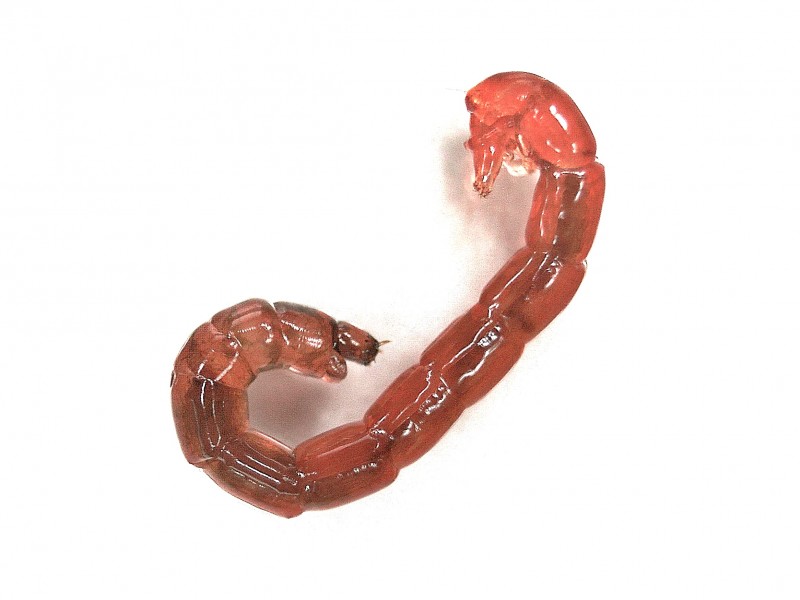
- Offer a different food type (live or frozen bloodworm, daphnia, brine shrimp) to restart feeding, or switch to New Life Spectrum Betta Formula (affiliate) if the current pellet is a filler-heavy brand. Once eating resumes, New Life Spectrum Betta Formula (affiliate) is a reliable staple that most bettas accept within 2–3 feedings
- Once eating is re-established, transition gradually to the preferred staple food
How long to wait
A healthy adult betta can go 10 to 14 days without food and survive; that’s the outer bound, not a target, and it’s why medicating on day one is premature. Fry and juveniles don’t have that buffer and need to eat daily. Within that window:
- New fish, no symptoms: 72 hours, then escalate
- Established fish, all parameters correct: 3–4 days. If not eating by day 4, look for disease
- Established fish with disease signs: Do not wait. Identify and treat
- Fish not eating after disease treatment: Normal. Disease and medication suppress appetite. Offer food gently once a day during treatment
What not to do
- Do not dump medications in without a diagnosis
- Do not keep trying different foods in the first 72 hours; that is overfeeding risk, not helpfulness
- Do not add salt as a catch-all; aquarium salt has specific use cases and is not a general appetite stimulant
- Do not “top up” feeding by offering larger portions once eating resumes. Resume normal portion sizes immediately (4–6 pellets per day for an adult). A fish that has been fasting for several days does not need double the food; its stomach has not grown
Two additional pitfalls worth naming: raising the temperature above 82°F to “boost metabolism” without a disease reason creates heat stress on top of whatever is already wrong. And repeated water changes larger than 50% in rapid succession can crash beneficial bacteria, compounding the ammonia problem the changes were meant to solve. Fix the cause. Do not improvise multi-pronged interventions simultaneously; they make the cause harder to identify.