The humane way to end a terminal betta’s life is the two-step clove oil protocol. Sedate first with 0.1 ml (about 2 drops) of pure clove oil per liter of tank water. Wait until the fish is unresponsive (10 to 15 minutes). Add 0.4 ml more, bringing total concentration to about 0.5 ml per liter. Wait 30 minutes after all gill movement stops. Bury or freeze the body.
This is the method accepted by the AVMA 2020 Euthanasia Guidelines for fish (AVMA) and standard in university aquaculture facilities.
When euthanasia is the right answer
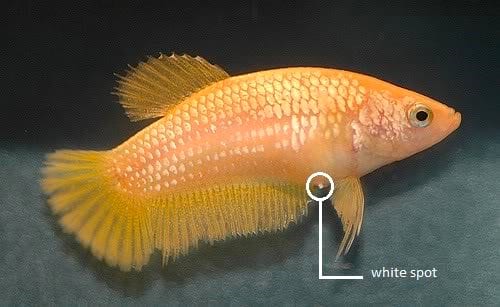
Not every sick fish needs to be euthanized. A betta with fin rot, ich, velvet, or early columnaris is treatable; see the disease guide. Euthanasia is the right call when:
- Advanced dropsy: pineconing scales, severe bloat, lethargy. Survival rate under 5% even with treatment.
- Advanced mycobacteriosis: wasting, skeletal deformities, chronic ulcers. Untreatable.
- Severe spinal deformity: cannot swim upright, cannot reach the surface to breathe.
- Irreversible ammonia burn: gill damage severe enough that the fish gasps at the surface with no response to treatment after 48 hours of clean water.
- Extreme age decline: a 4+ year old fish that has stopped eating, stopped swimming, stopped responding. Not always an emergency, but a kindness when suffering is obvious.
The hard cases are the ones where it’s unclear. A fish that’s been declining for two weeks, not eating, mostly resting, but still alive: these are owner judgment calls. When in doubt, wait another 24 hours with clean water and warmth. If the fish is worse, proceed.
What you need
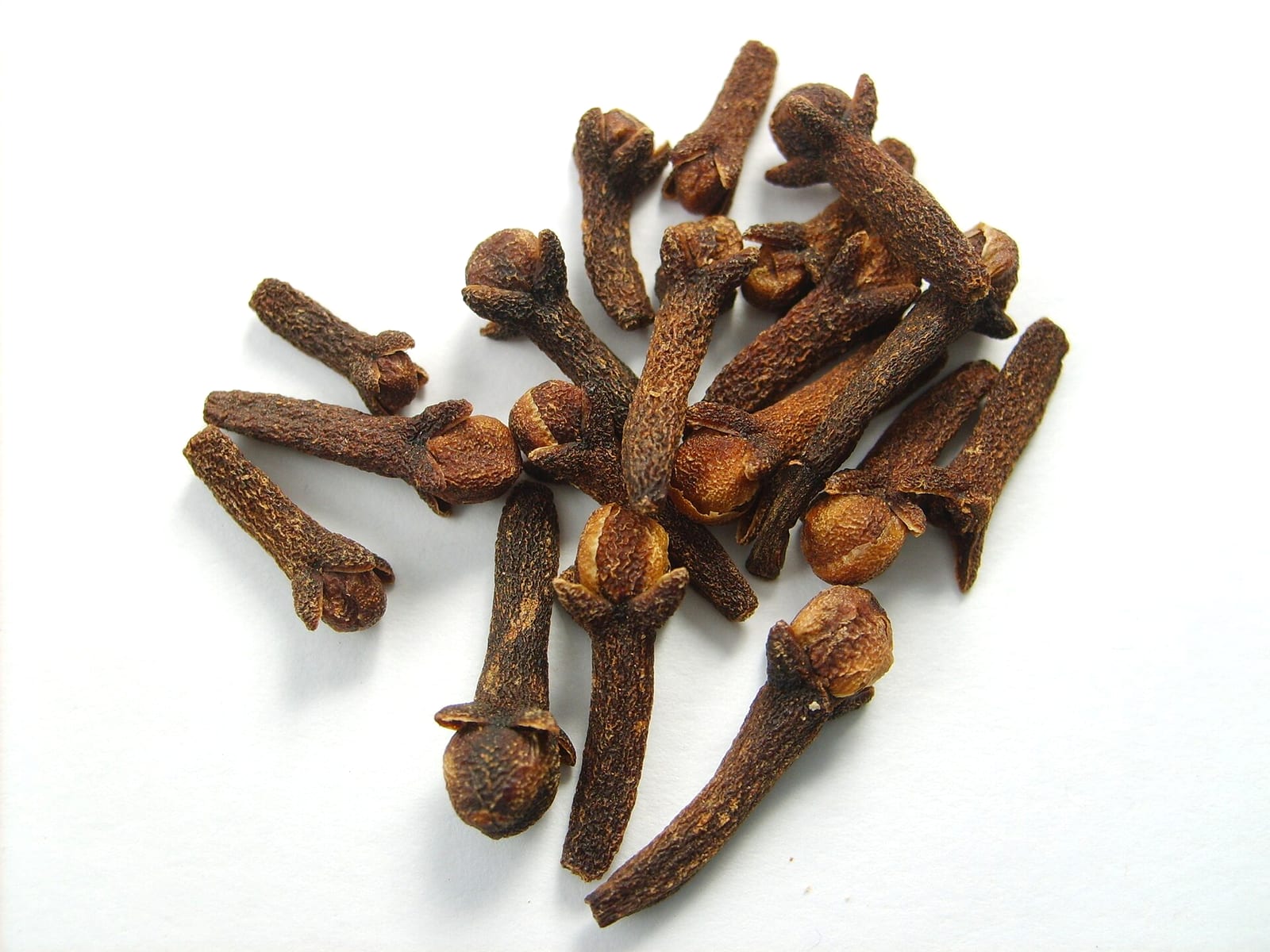
- 100% pure clove essential oil. The bottle should say “100% pure clove oil” or “eugenol” as the active compound. Mixed aromatherapy oils don’t work. Find pure clove oil on Amazon (affiliate, see our disclosure)
- A clean 1-liter glass container (a jar, a measuring cup, a small bucket).
- 1 liter of tank water. Not fresh tap water. Moving the fish to new parameters right before euthanasia adds stress.
- A small cup and 5 to 10 ml of warm water to emulsify the clove oil, because clove oil doesn’t dissolve in cold water alone.
- A measuring syringe or pipette that reads in 0.1 ml increments. Measuring syringes on Amazon (affiliate)
The protocol, step by step
Step 1: Prepare the sedation bath.
- Pull 1 liter of water from the fish’s own tank.
- In a small cup, mix 0.1 ml (about 2 drops) of clove oil with 5 ml of warm water. Shake vigorously for 30 seconds to emulsify. The mix should look cloudy.
- Add the emulsion to the 1-liter container, stir gently.
Step 2: Introduce the fish.
- Net the fish from the main tank. Place in the container.
- Keep the container covered (a plate works) to reduce jumping.
- The fish’s breathing will slow visibly over the first 5 minutes. By 10 to 15 minutes, the fish is unresponsive: resting on the bottom, no reaction to touching the container.
Step 3: Complete the dose.
- In the same small cup, mix 0.4 ml (about 8 drops) of clove oil with 5 ml of warm water. Emulsify as before.
- Add to the container. Total concentration is now about 0.5 ml per liter, well above the euthanasia threshold.
- Breathing stops within 10 to 20 minutes.
Step 4: Confirm.
- Watch for 30 full minutes after the last visible gill movement. Fish can appear dead and then resume breathing if the dose was borderline.
- No movement at 30 minutes means euthanasia is complete.
Step 5: Dispose.
- Bury in the garden, at least 12 inches deep (away from pets that might dig).
- Or place in a sealed plastic bag in the freezer for later disposal.
- Do not flush. Dead or alive, flushing a fish is a disposal practice to avoid.
What not to do
Never flush a live fish. Popular in older pet-care advice, inhumane by any modern standard. The fish is alive through the plumbing, suffering thermal and osmotic shock along the way, and if it somehow reaches open water it dies slowly from cold or a predator instead of quickly from your hands.
Never freeze a live fish. Fish detect ice crystal formation in tissue before cognitive shutdown. Painful. AVMA condemns it directly. Sedate first, then freeze the unconscious body if needed.
Never boil, microwave, or use alcohol. All three are cruel.
Don’t use aquarium-grade “Finquel” or MS-222 without veterinary guidance. Both are effective at correct doses but require calibrated preparation.
Don’t skip the sedation step with clove oil. A high initial dose causes brief thrashing. The two-step protocol spares the fish that discomfort.
Other accepted methods
Clove oil isn’t the only humane option, just the most accessible for someone working from a kitchen counter.
Decapitation, done in one motion with a sharp blade by someone who’s practiced it, is fast and genuinely humane, a real veterinary technique and not a horror-movie shortcut. But it demands a steady hand and real confidence: a hesitant or poorly placed cut on a still-conscious fish is worse than any other method on this page. If you’re not sure you’d get it clean on the first try, don’t. Clove oil is the better choice for almost every home aquarist.
MS-222 (tricaine methanesulfonate) is the veterinary-grade anesthetic clove oil gets measured against. It’s more reliable and more precisely dosed, but it requires a prescription in most countries. A local fish vet or a university aquaculture department can supply it if you’d rather not do the emulsion math yourself.
The emotional side
This is a small fish. The loss feels small to people outside the hobby and larger to you. Both reactions are fine. A betta kept well for 3 to 4 years was a small relationship with a small vertebrate, and marking the end with a painless protocol rather than a slow decline is a kindness to the animal and a closing note for you. Bury the fish, write the name in a notebook if that helps, and go set up the next tank with what you learned from this one.
The protocol on this page is the one hobbyists, veterinarians, and university aquaculture facilities use. It works. Do it calmly and it’s over in under an hour.