Target water for a betta: ammonia zero, nitrite zero, nitrate under 20 ppm, pH 6.5 to 7.5, temperature 25 to 27 °C, hardness between 5 and 20 dGH. Stability matters more than hitting any exact number. A tank held steady at pH 7.8 is healthier than one swinging between 6.5 and 7.4. This page is the short, testable version of that (PMC9334006).
The five things you actually test
Ammonia (NH3/NH4+). Target zero. Any reading above zero is an emergency. Acute exposure burns gills, chronic exposure shortens life. In a cycled tank, ammonia should always read zero because the bacteria process it within hours.
Nitrite (NO2-). Target zero. Same urgency as ammonia. A reading above zero means the cycle is incomplete or crashed. Stop feeding, do 50% water changes daily, check filter for damage or power interruption.
Nitrate (NO3-). Target under 20 ppm. Nitrate is the end product of the nitrogen cycle. Not acutely toxic, but long-term exposure above 40 ppm suppresses immunity and is linked to shorter lifespans. If a test comes back at 40 ppm, that’s high enough to act on: a 30% water change brings it down fast. A 30% weekly water change keeps most 5-gallon setups well under 20 ppm to begin with.
pH. Target 6.5 to 7.5, stable. Most tap water is 7.2 to 7.8. Adjust only if your tap is outside 6.0 to 8.0. The chasing-pH trap produces more dead fish than it saves.
Temperature. Target 25 to 27 °C (77 to 80 °F). Cold is the single most common husbandry failure. A preset heater solves it.
The three you can mostly ignore
GH (general hardness). The mineral content of water. Bettas tolerate a wide range. Soft water (under 5 dGH) is ideal for breeding wild species; captive splendens tolerate anything between 5 and 25 dGH. Don’t chase it, and don’t reach for RO or distilled water to get there. Mineral-free water causes osmotic stress on a splendens unless it’s remineralized back up, so treated tap is almost always the right answer. RO earns its keep only for breeders working with soft-water wild species like Betta channoides.
KH (carbonate hardness). The pH buffering capacity. Matters only if your KH is near zero, which produces pH crashes. If your tap has any mineral content, KH is probably fine. To check: the API GH & KH Test Kit (affiliate) is a one-time baseline test most freshwater keepers run once at setup.
TDS (total dissolved solids). A meter readout. Useful for breeders working with RO water. For a community betta tank, this is fiddly gear that doesn’t change any decision you’d make.
The test kit
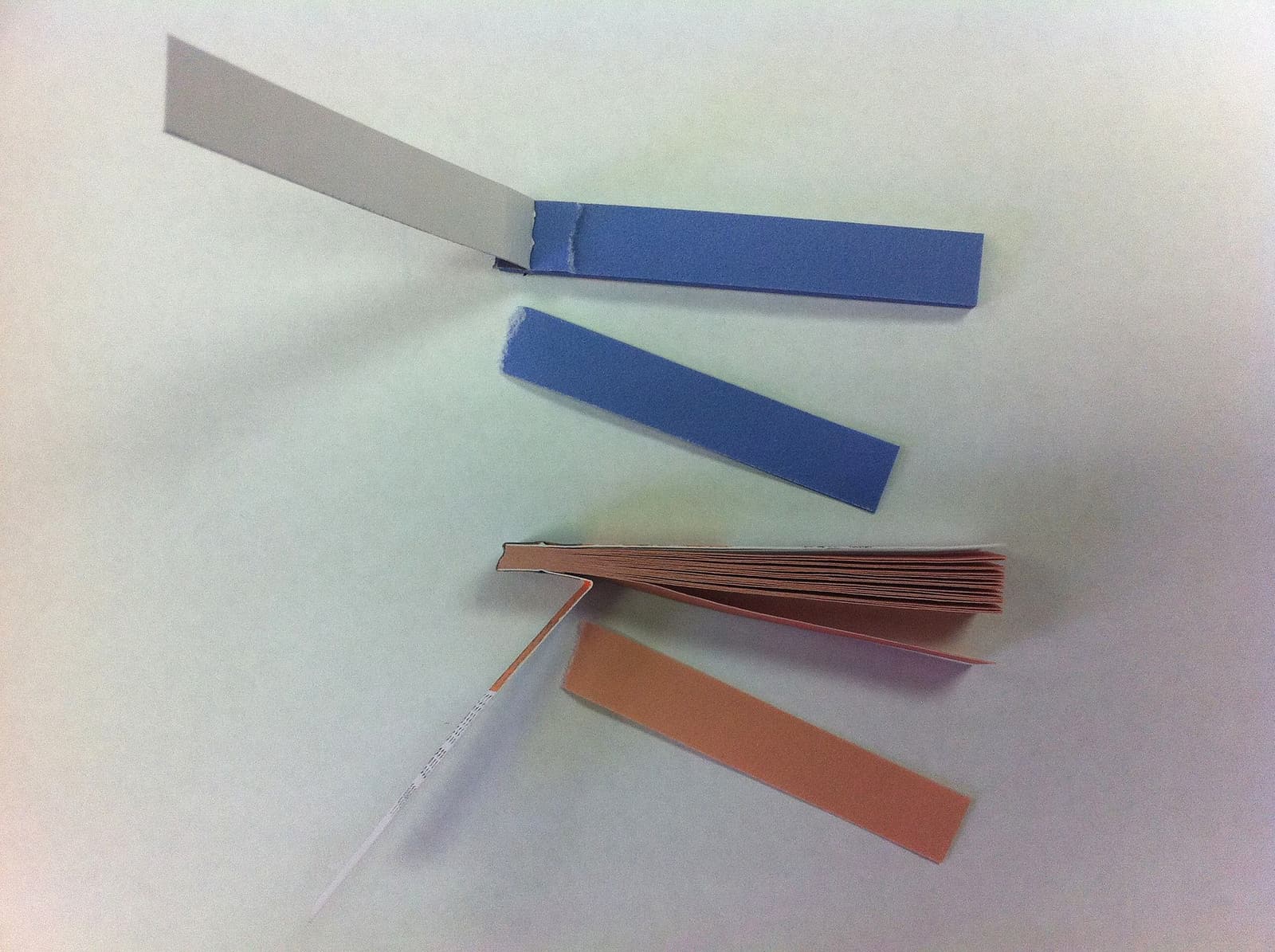
Buy the API Freshwater Master Kit. It costs $30, lasts 2 years, and has five reagents: ammonia, nitrite, nitrate, pH, and high-range pH. Strips are $10 for 100 and give you a colored rainbow that correlates loosely with reality. Buy the drops.
API Freshwater Master Test Kit on Amazon Affiliate link. See our disclosure.
A typical testing pass:
- Fill each tube to the 5 ml line with tank water.
- Add drops per instructions. Shake where the label says.
- Wait 3 to 5 minutes (depending on test).
- Compare to color chart in daylight or LED, not incandescent. Yellow tube against white paper.
- Record results in a note.
Keep a running log. Three months of numbers tell you more than any single reading.
Test twice a week for the first 60 days of a new tank, while the cycle is still finding its footing. Once things are stable, once a week is enough. Go back to daily testing if the fish is showing symptoms or you just did a major rescape.
Dechlorinator
Municipal water contains either chlorine (fades in 24 hours of aeration) or chloramine (does not fade without binding). Both kill the beneficial bacteria running your cycle and burn gill tissue on direct exposure, which is why dechlorinating isn’t optional. Always assume chloramine. Always dechlorinate. The EPA’s chloramine drinking water guidance confirms that most municipal suppliers have transitioned to chloramine, which does not off-gas and requires a dechlorinator that specifically binds it.
Seachem Prime is the hobby standard. 2 drops per gallon, dose the new water before adding or dose the full tank volume when you top up. Prime also binds ammonia for 24 hours (useful during cycling). A 100 ml bottle lasts a year at 5-gallon weekly water changes. Seachem Prime on Amazon Affiliate link. See our disclosure.
API Tap Water Conditioner works and costs less. It doesn’t have the Prime ammonia-binding bonus.
Seachem Safe is the concentrated dry form of Prime. One jar lasts a decade. Only worth it for multi-tank fishrooms.
Water changes
Weekly 25 to 30% water change is the default for a cycled 5-gallon with a single betta. Works like this:
- Turn off heater and filter.
- Gravel-vac one half of the substrate this week, the other half next week.
- Siphon out 1.25 to 1.5 gallons into a bucket.
- Mix replacement water in a second bucket: 1.25 gallons of tap water at target temperature, dose with Prime.
- Pour back slowly.
- Turn heater and filter back on.
The water you pour back should be within 2 °C of tank water. A 5 °C temperature swing stresses the fish and can trigger ich outbreaks.
When to break the “rules”
Soft-water wild species (B. channoides, B. macrostoma): RO water remineralized to 2 to 4 dGH, pH 5.5 to 6.5, temperature 24 to 26 °C. Chasing these parameters matters for these species. Splendens doesn’t care.
Breeding splendens: pH 7.0, temperature 27 to 28 °C, softened water only if your tap is extremely hard (above 15 dGH). See spawning setup.
Old fish with dull color: indian almond leaves (Terminalia catappa) release tannins that lower pH slightly and have mild antimicrobial properties. One leaf per 10 gallons. Dollar-store leaf packs are real catappa; fish stores overcharge.
The Seachem Prime ammonia question
Prime binds ammonia into ammonium for about 24 to 48 hours. It is not a cycle replacement. If your tank is showing 2 ppm ammonia, dosing Prime buys you enough time to do 50% water changes for a week while the biofilter recovers. It doesn’t let you skip cycling.
Hobbyist forums occasionally argue Prime “detoxifies” ammonia permanently. The Seachem product page is unambiguous: it binds for 24 to 48 hours, then the ammonia returns. Don’t rely on it.
Once your tap water is treated and your parameters are stable, water chemistry becomes boring. Boring is the goal. Interesting water chemistry means something is wrong.
Related on this site
- Betta Fish Care: The Evidence-Based Guide
- The Nitrogen Cycle: Why Uncycled Tanks Kill Bettas
- Betta Anatomy: What You’re Looking At When You Look at a Betta
- The Betta Vase Myth: Why Peace-Lily Setups Are Animal Cruelty
- Betta Feeding: What to Feed, How Often, How Much
- Water Parameters: The Complete Reference Table
- How to Cycle a Betta Tank