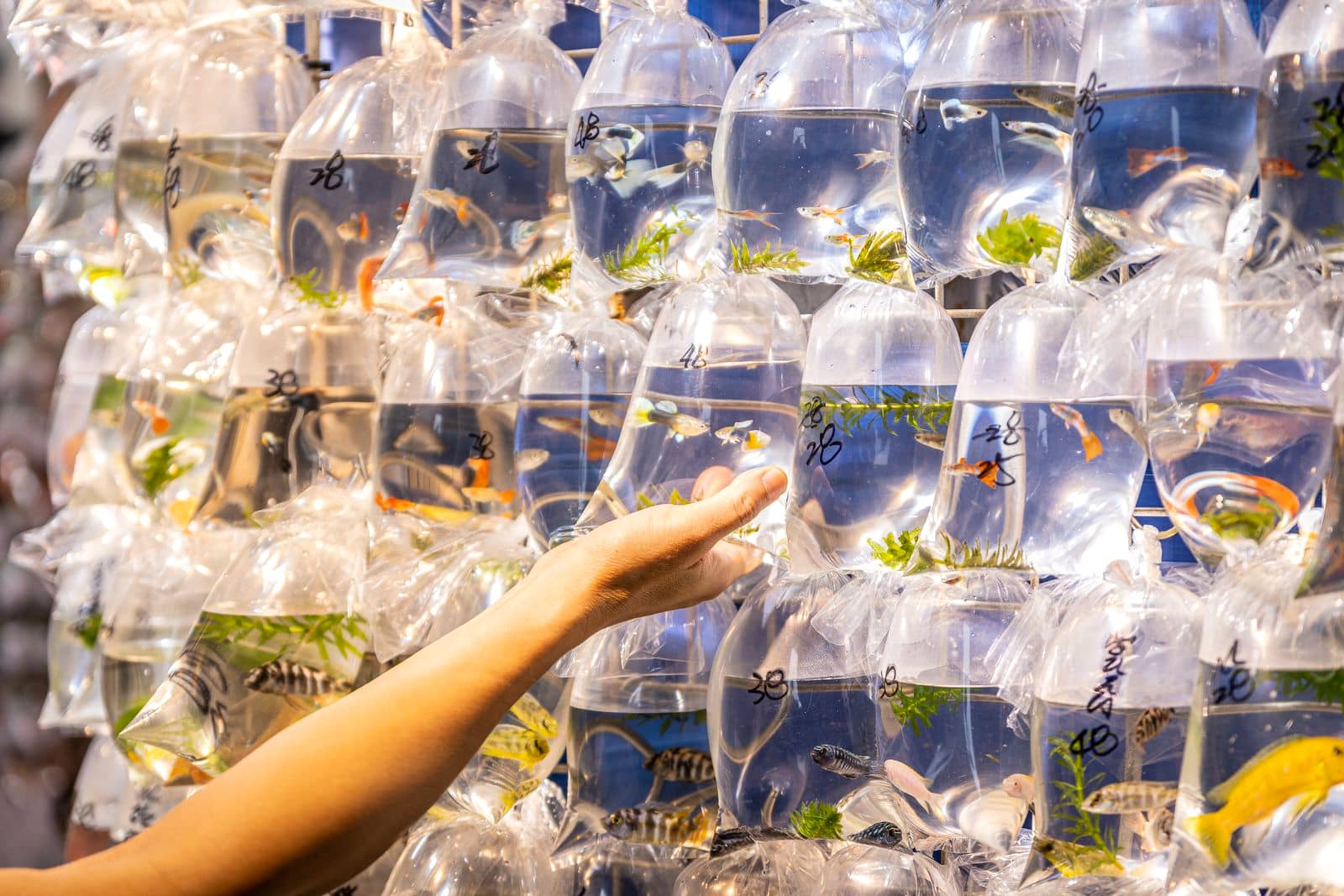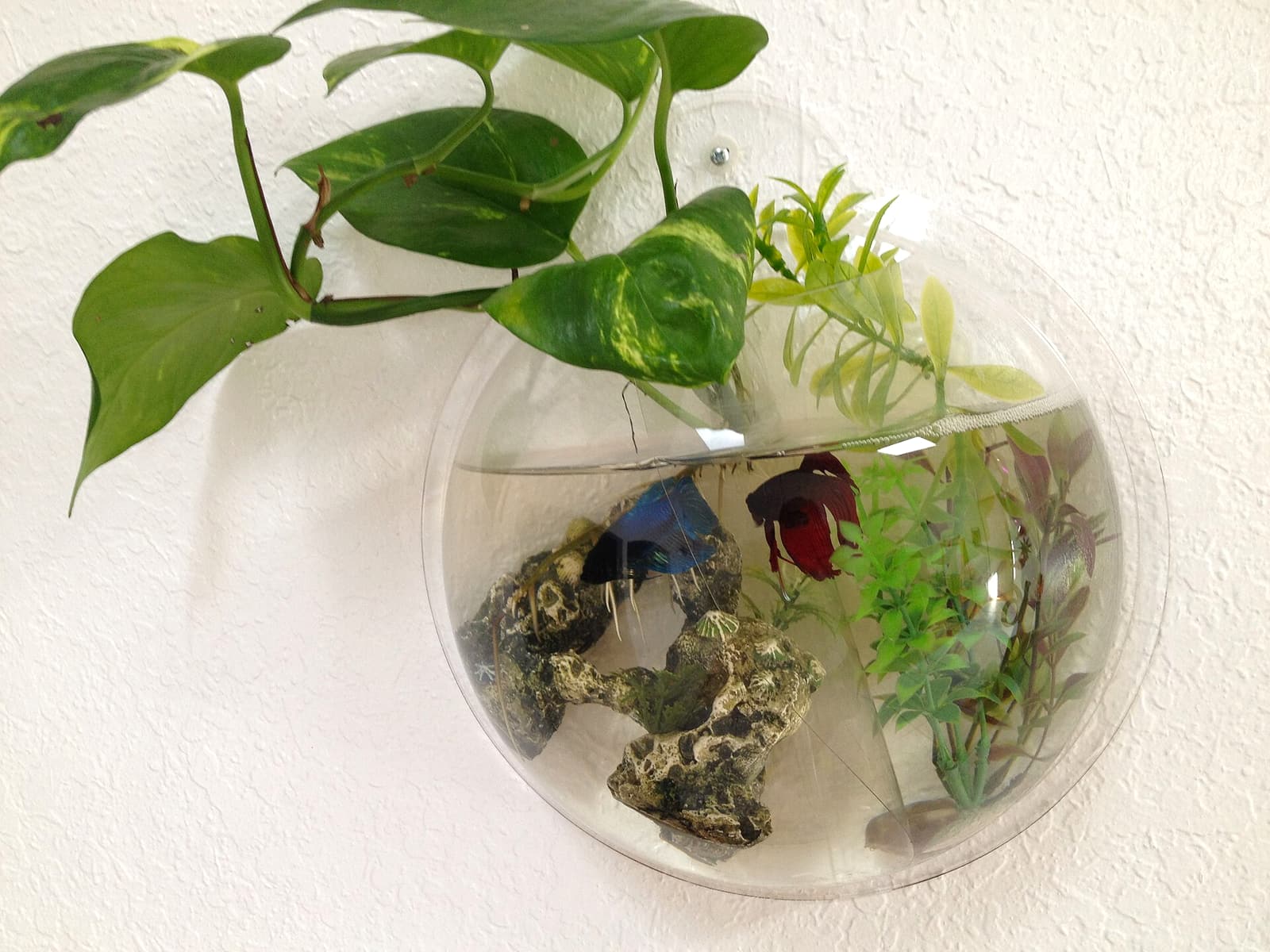
The pet-store betta cup is the clearest ongoing example of animal welfare compromise in the mainstream pet industry. This is an opinion piece. It argues that the cup is cruel, that the system persists because of economic incentives, and that individual hobbyist action is insufficient for systemic change. You are welcome to disagree (PMC9334006).
The conditions
A big-box pet store betta cup:
- 200 to 300 ml of water (about 1 cup).
- No filtration.
- No heater (ambient room temperature, often 19-22 °C).
- No cover (open lid, dust and debris fall in).
- Fish held 2 to 8+ weeks before sale.
- Water “changed” irregularly, often by topping up evaporation.
- Ammonia accumulates to toxic levels within 48-72 hours.
- Fish visibly stressed: clamped fins, dulled color, gasping at the surface.
Pre-sale mortality rates are high. Staff discard dead fish; remaining fish experience additional stress.
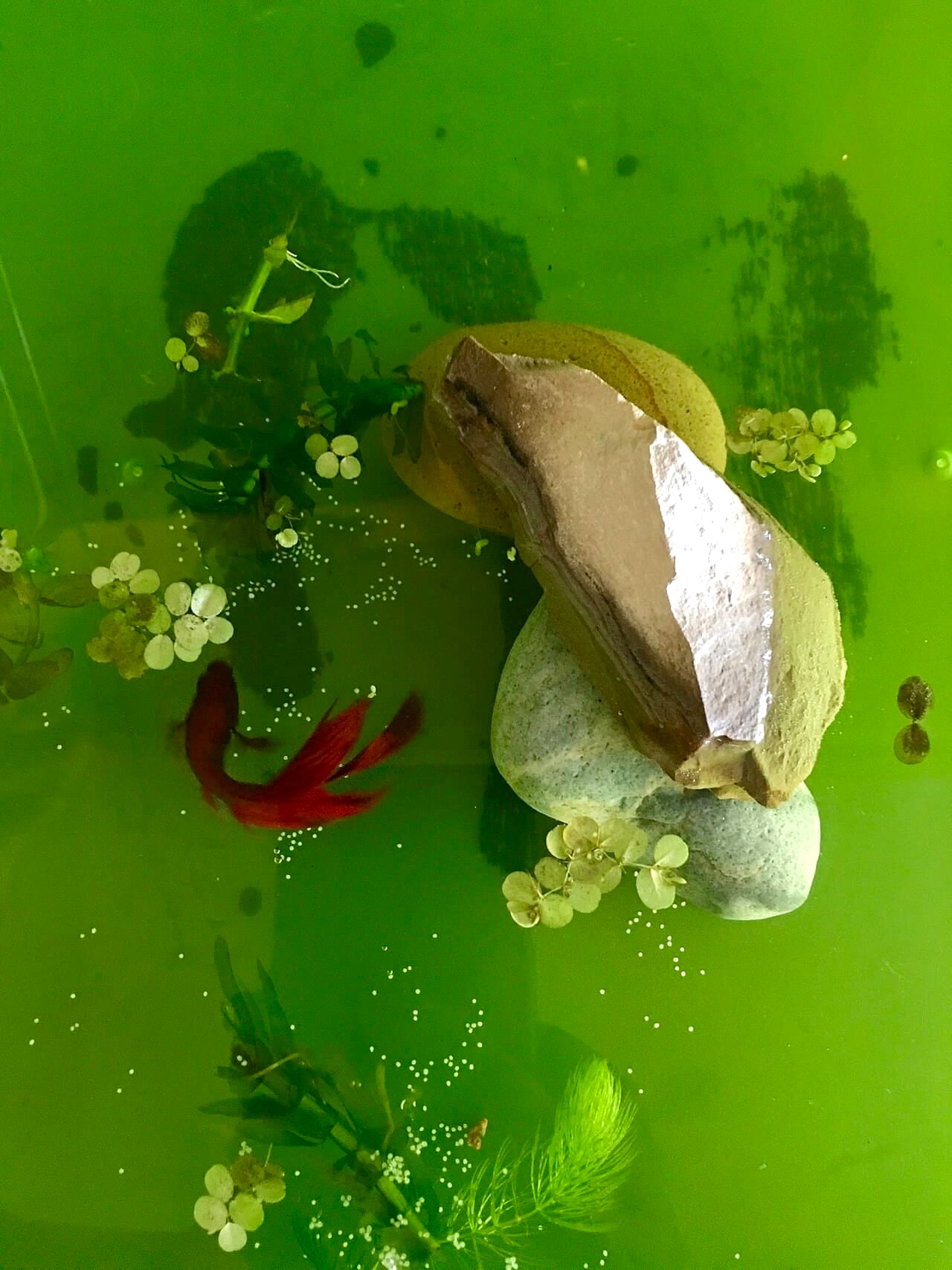
If you’ve bought or rescued a pet-store betta, the immediate setup priorities are a heated, filtered tank of at least 5 gallons, Seachem Prime (affiliate) at every water change, and the API Freshwater Master Test Kit (affiliate) to track ammonia during the first 6 weeks. The fish’s immune system is already compromised from cup conditions; water quality is the single most impactful variable from day one.
The welfare framework
By any modern animal welfare standard (the Five Domains, the Brambell Five Freedoms, the AVMA’s pain assessment):
- Freedom from hunger and thirst: not met. Feeding schedules in stores are irregular; fish often go days without food.
- Freedom from discomfort: not met. Cold, low oxygen, accumulated waste.
- Freedom from pain, injury, disease: not met. High rates of fin rot, columnaris, mycobacteriosis.
- Freedom to express normal behavior: not met. Zero room to swim or establish territory.
- Freedom from fear and distress: not met. Constant visual stimulation from passing shoppers, inability to hide.
If a mammal were kept under equivalent conditions, animal cruelty charges would apply. Fish do not receive equivalent legal protection.
Why it persists
Cost. Each betta wholesales for $1.50 to $3. Retail $8-15. Margin is thin. Proper housing (per-fish heated, filtered, cycled enclosures) would reduce margin or raise prices beyond market tolerance.
Pre-sale mortality as accepted loss. Industry accepts 20-40% pre-sale mortality on bettas. Dead fish are discarded; surviving fish are sold.
Legal minimum. Fish receive weak animal welfare protection across most jurisdictions, and most US states have no animal welfare minimum for fish specifically. Cats and dogs have enforced minimum housing standards; fish do not. Where protections do exist, in the UK and parts of the EU, enforcement against an ordinary chain-store cup setup is minimal in practice.
Consumer tolerance. Shoppers see the cups, purchase anyway. Social norm reinforces the practice.
Supplier incentives. Mass farms optimize for volume output, not individual welfare. Thai farms produce millions of bettas per year; individual fish care is impossible at that scale. The species’ establishment in Florida waterways as an invasive (USGS NAS) is a direct downstream effect of this volume trade.
The cup is not a pet-store decision alone. It’s a whole supply chain producing the fish cheaply and retailing them cheaply, with welfare compressed between production and sale.
The “rescue” debate
Hobbyists routinely “rescue” pet-store bettas: buy a sick fish, bring it home, nurse it back to health.
Arguments for:
- Saves an individual fish from near-certain death.
- Removes a visibly suffering animal from a stressful display.
- Provides the fish a real life in a proper tank.
Arguments against:
- Buying a betta contributes to economic incentive that keeps the shelf stocked.
- “Rescue” language obscures what’s happening: purchasing an animal from a for-profit business.
- The rescued fish often dies anyway from accumulated damage; the store keeps the money.
- One rescued fish doesn’t change the system; many rescued fish over time sustain the demand.
Reasonable people fall on both sides. No principled answer is obvious.
The honest middle path: if you buy a pet-store betta, don’t call it rescue. Call it purchasing a pet. Treat the fish well. Don’t frame your purchase as activism.
What actually changes the system
Regulatory action. The UK has implemented some fish welfare protections. Several EU countries are considering stricter rules. US federal action is unlikely in the near term; state or municipal action is more feasible.
Large-retailer policy shift. If Petco or PetSmart changed their betta housing standards, industry-wide effects would follow. Neither has announced meaningful changes.
Market pressure. Demand shifts matter. If consumers bought bettas exclusively from responsible breeders rather than pet stores, pet stores would reduce betta stock. This shift is slow.
Industry self-regulation. Rare but occasionally effective. Pet Advocacy Network guidelines exist; enforcement is voluntary.
Media attention. PETA campaigns, viral social media, and high-profile public interest periodically drive policy changes. Effects are episodic.
Individual refusal to buy pet-store bettas doesn’t collapse the system; millions do. Structural change requires structural intervention.
What individual hobbyists can realistically do
- Don’t buy from pet stores that keep bettas in cups. Vote with your dollars even if the effect is small. This isn’t only a big-box problem: small specialty fish stores vary widely, some keep bettas markedly better than a chain, some don’t. Judge the tank or cup actually in front of you, not the store’s boutique reputation. Cloudy water, an ammonia smell, or dead fish left on display make a specialty shop indistinguishable from big-box, whatever the price tag says.
- Source from breeders. where to buy show bettas.
- Educate. Share this page, share other welfare-focused betta resources.
- Local pressure. Some local pet stores do better when customers ask about housing standards.
- Support regulatory efforts. Contact representatives about fish welfare standards.
- Don’t internalize the normality. The cup is not normal by any modern standard; frame it that way when talking to new fishkeepers.
The philosophical point
The pet-store betta cup exists because we, collectively, accept it. The fish’s suffering is real but diffuse; no single person is cruel; the system produces cruelty as emergent outcome of a supply chain optimized for price.
This is how most large-scale animal welfare compromise works. Factory farming, industrial fishing, high-stocking-density pet breeding. The cup is not unique; it’s one example of the broader pattern.
We won’t fix the whole pattern through betta-keeping. But we can be clear about what we’re looking at. The cup is cruel. The suffering matters. Pretending otherwise (calling the cup “adequate for a hardy species”) is participating in the fiction.
A short directive
If a pet-store betta is in a cup of obviously fouled water on display:
- Note it. Remember what you’re seeing.
- Consider whether to buy (both answers are defensible).
- If you do buy, don’t romanticize it.
- Tell other people what you saw.
- Do better for the fish you bring home.
The hobby is better than the industry that feeds it. The distance between the two is where the ethics live.