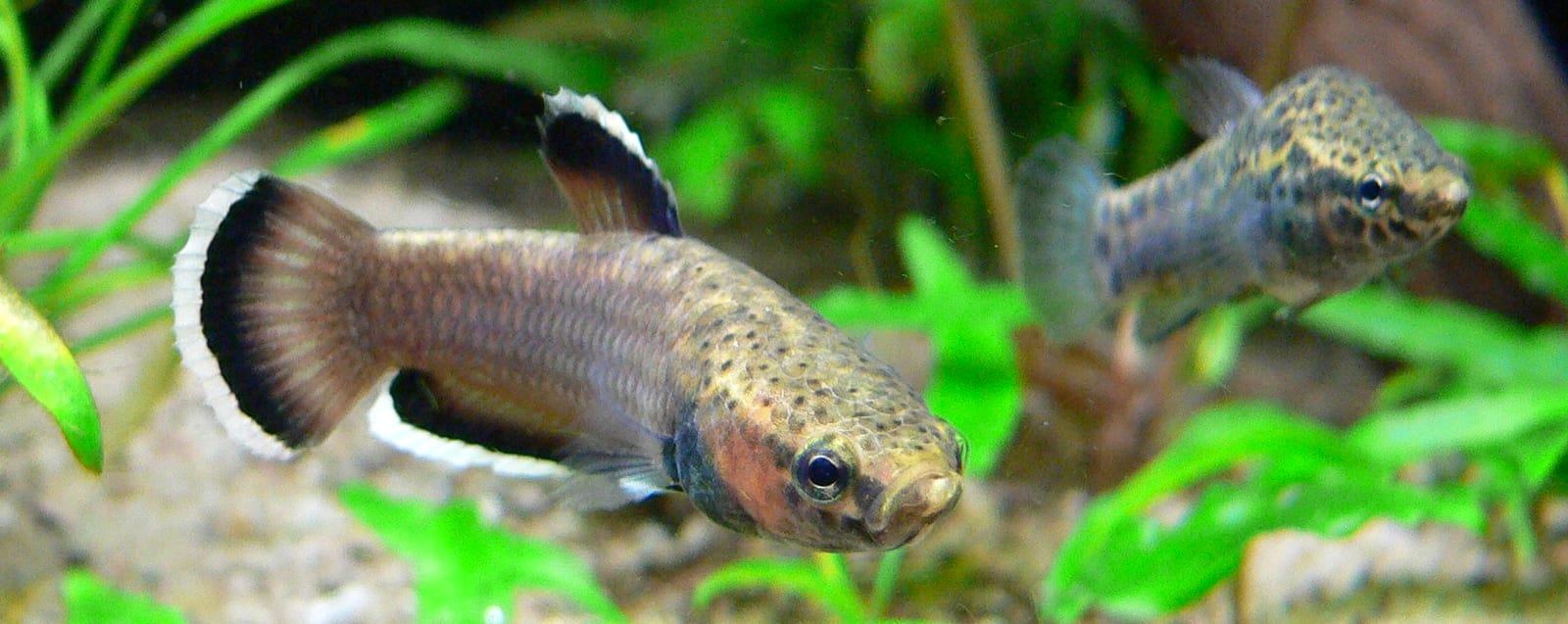
Wild bettas face three overlapping threats: habitat loss from agricultural expansion, water pollution, and pet-trade overharvest. Habitat loss is the primary driver. Several species are critically endangered; a few may go extinct within 20 years. Captive breeding provides insurance populations for some species but is not a substitute for habitat protection. This article summarizes the conservation picture and what hobbyists can realistically do.
The three threats, in order of magnitude
1. Habitat loss (primary driver)
Southeast Asia’s freshwater habitats are being converted at unprecedented rates:
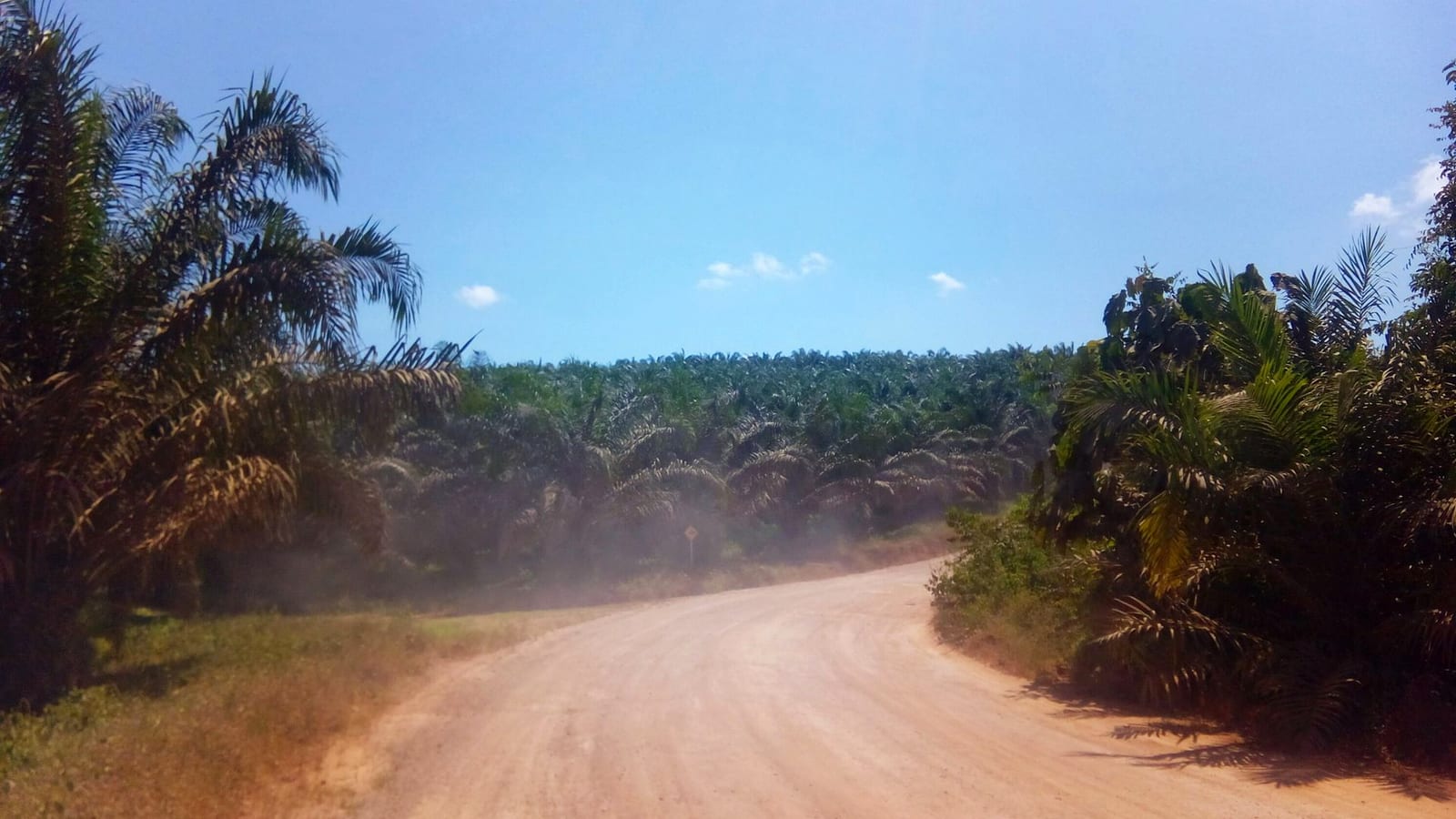
Palm oil expansion. Oil palm plantations require drained, cleared land. Peat swamps (the primary habitat for many blackwater betta species) are prime targets. Indonesia and Malaysia are the world’s largest palm oil producers.
Rubber plantation. Similar dynamics, often replacing forest with drained cleared plantation land.
Forest clearance. Logging, followed by agricultural conversion, eliminates riparian buffers and fundamentally alters stream hydrology.
Drainage for agriculture. Peat swamps drained for rice or other crops lose their water-holding function.
Dam construction and water diversion. Large-scale infrastructure alters stream flow regimes.
Urban expansion. Growing cities consume formerly rural habitat.
Habitat loss eliminates entire local populations at once. A single stream system cleared for plantation can wipe out an endemic species with no recourse.
2. Water pollution (major, often accompanies habitat loss)
Agricultural runoff. Pesticides, fertilizers, and herbicides degrade water chemistry. Small streams cannot dilute chemical inputs.
Palm oil processing. Mill effluent is acidic, high-BOD, and toxic to fish unless treated. Enforcement is variable.
Mining. Gold and tin mining in Borneo and Sumatra produces heavy metal contamination and sediment load.
Urban sewage. Largely untreated in many parts of rural Southeast Asia.
Even “intact” habitat downstream of these sources often has compromised water chemistry.
3. Pet-trade overharvest (secondary but species-specific)
Not the primary threat for most species, but significant for:
- Betta macrostoma: wild harvest pressure persists despite captive availability.
- Betta channoides and albimarginata: still some wild-caught trade.
- Rare coccina-complex species: small populations cannot sustain collection.
- Newly described species: “rare” status creates collector premium and incentive.
Ethical sourcing (captive-bred only, documented provenance) addresses this for individual hobbyists.
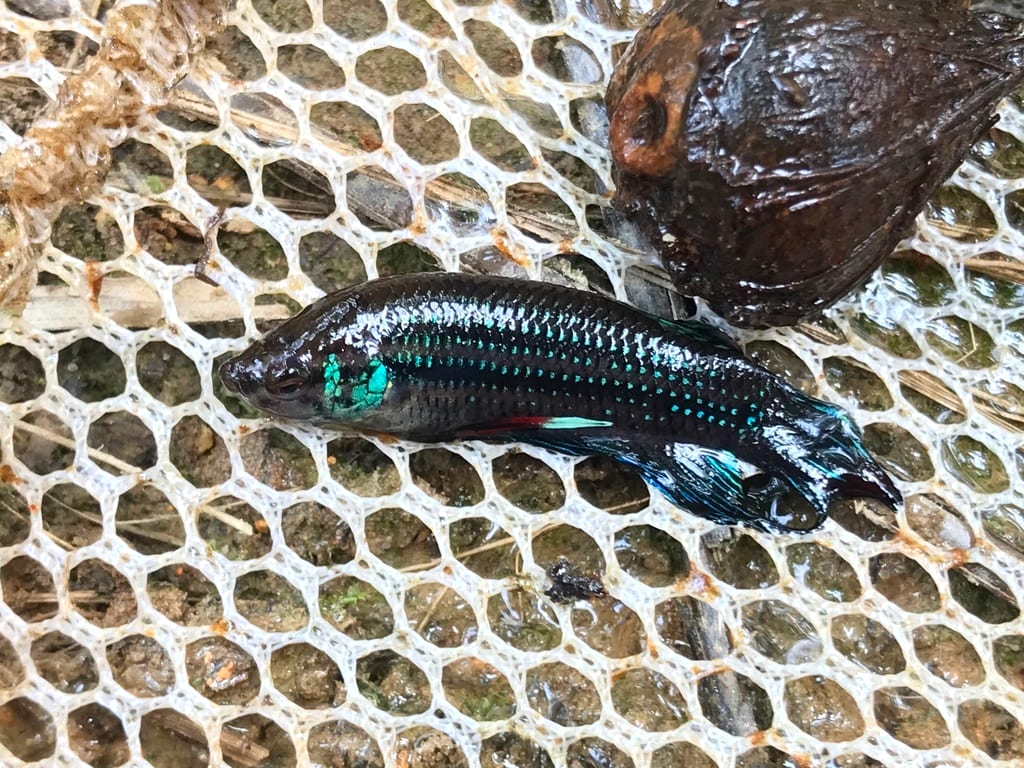
The conservation response
International
IUCN Red List. Assessments exist for most described Betta species. Many remain “Data Deficient” because no one has done field assessment. Better coverage in recent years. For a systematic reference on the freshwater fish of the region, Kottelat’s 2013 catalogue of Southeast Asian inland fishes (Raffles Bulletin of Zoology, 2013) remains the primary taxonomic reference against which conservation assessments are measured.
CITES. Most Betta species are NOT CITES-listed. Adding them would require coordinated national applications and documentation. Political lift.
Ramsar Convention on wetlands covers some relevant habitats but enforcement varies.
National (Thailand, Malaysia, Indonesia)
Each country has varying environmental law and enforcement. Thailand has stronger freshwater fish protections than Indonesia. Malaysia varies by state. Enforcement on small remote streams is essentially absent.
Protected areas that include betta habitats:
- Some Malaysian peat swamp forests.
- Parts of Indonesian Borneo (Tanjung Puting National Park and others).
- Thai national parks with freshwater components.
Protected area coverage is inadequate for the full range of endemic species.
Regional
Local conservation NGOs occasionally work on specific habitats. Indonesia has several active freshwater conservation groups. Malaysia has smaller but engaged communities.
Hobbyist captive breeding
This is where the conservation picture gets interesting at the hobbyist level.
Serious hobbyists in the IBC and specialty wild-betta communities maintain captive breeding lines for many endangered species. Examples:
- Betta hendra: first captive breeding 2026.
- Betta persephone: maintained in European captive breeding.
- Betta macrostoma: long-established captive lines.
- Betta channoides: widely captive-bred.
- Several coccina complex species.
Captive populations function as genetic insurance. If wild habitat is destroyed, the captive lines preserve the species for potential reintroduction or at least scientific reference.
Limits of captive breeding:
- Founder populations are often small, limiting genetic diversity.
- Captive selection pressures differ from wild, over generations drift occurs.
- Reintroduction requires viable wild habitat, which is often gone.
- Most hobbyists don’t maintain strict pedigree records, limiting scientific utility.
What hobbyists can do
1. Source responsibly.
- Buy only captive-bred fish.
- Ask for documentation of parent lineage.
- Avoid “wild-caught” offers for rare species.
- Support breeders who maintain records.
2. Maintain captive lines.
- If you keep a rare species, breed it regularly.
- Distribute offspring to other responsible keepers (diversity through distribution).
- Keep records of lineage.
- Participate in IBC or wild-betta community.
3. Reduce palm oil consumption.
- Check ingredient lists; palm oil is widely used (labeled as “palm oil,” “palm kernel oil,” “vegetable oil,” and many derivative names).
- Where possible, choose alternatives.
- This is a modest individual action but contributes to reduced demand.
4. Support conservation organizations.
- Indonesian peat swamp preservation (e.g., Borneo Nature Foundation).
- Thai freshwater conservation.
- IUCN assessments and Red List updates.
5. Write about it.
- Blog about wild betta species.
- Share IUCN assessments and conservation news.
- Make obscure species visible. A species with a Wikipedia article is harder to lose quietly than one without.
6. Do not collect from the wild.
- Regardless of legality, wild collection adds pressure to already-stressed populations.
- Even small quantities matter for species with small ranges.
The honest outlook
Several wild betta species will go extinct in the next 20 years. Habitat loss rates exceed conservation capacity. Major international attention has not materialized. Local conservation is under-resourced.
Captive breeding will preserve some species as genetic lineages. Whether this counts as “conservation” depends on philosophical frame; the species exists in a form, but the wild habitat and ecological role are gone.
The Krabi endemics and several coccina-complex species are in the most immediate danger. Betta hendra survived to 2026 in the wild partly because of captive breeding attention; the first captive breeding report provides a fallback. Other species may not get that attention in time.
Why this matters to a hobbyist site
The species in hobby tanks shares a genus with wild populations that are being lost to peat-swamp drainage, palm-oil expansion, and aquarium-trade collection faster than most keepers realize. Knowing which Betta is on the IUCN Red List, and why, is part of being a serious hobbyist. Betta hendra was first captive-bred under a documented program in 2026; Betta persephone is functionally extinct in the wild; Betta livida’s last confirmed populations sit inside a handful of Perak peat swamps. These aren’t trivia.
Hobbyists who maintain captive populations of threatened species can support wild habitat replication with low-cost interventions. Indian almond leaves (affiliate) replicate the tannin chemistry of peat-swamp environments and are standard practice among serious wild betta keepers.
Related on this site
- Wild Bettas: The 70+ Species Beyond Betta splendens
- Betta hendra: First Captive Breeding Reported in 2026
- Krabi’s Endemic Bettas: The IUCN August 2025 Feature
- Betta channoides: The Red-Orange Mouthbrooding Miniature
- Betta macrostoma: The Brunei Beauty
- Betta mahachaiensis: Vulnerable Brackish Species
- Betta simplex: Near Threatened Mouthbrooder