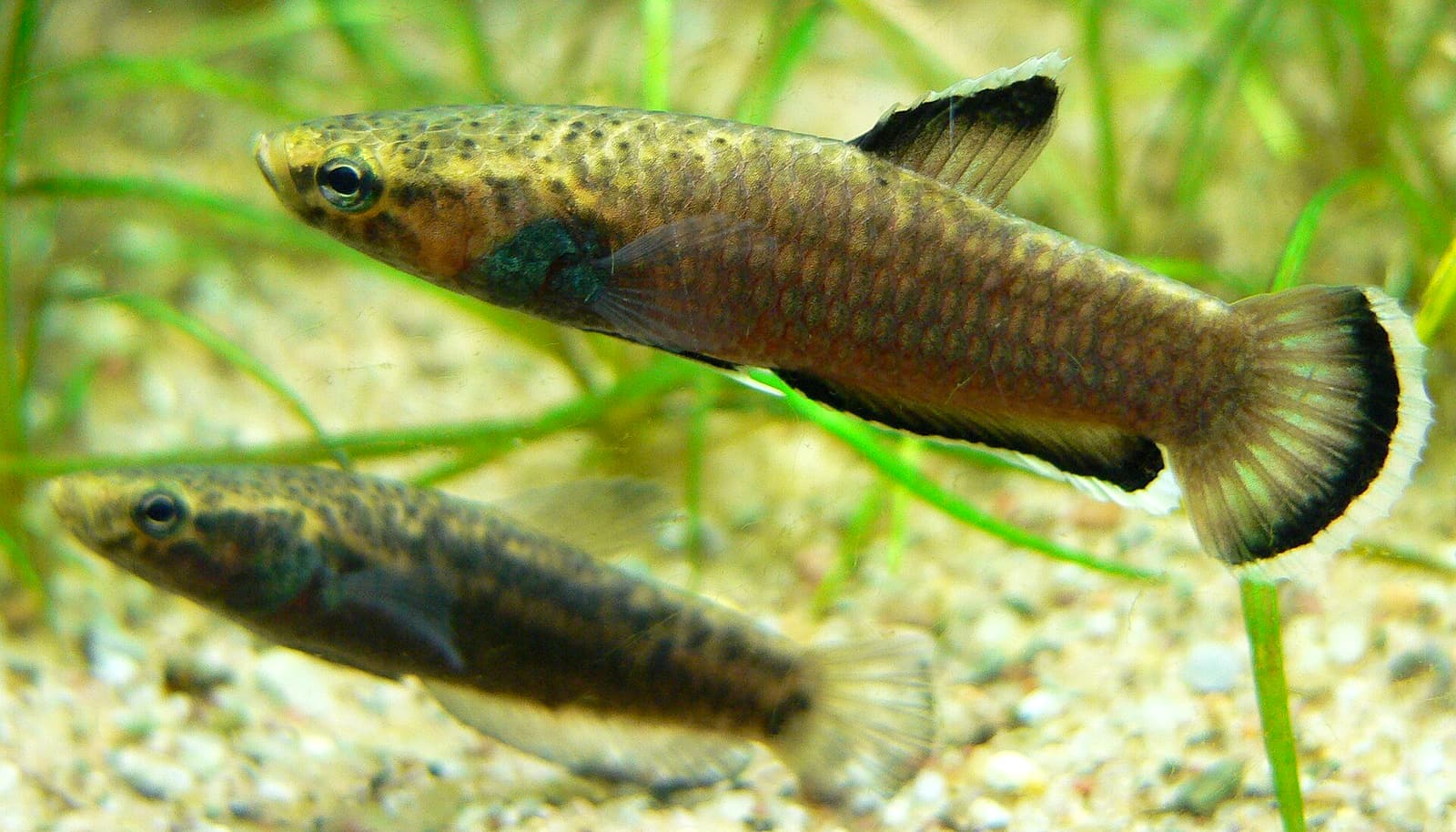
Betta macrostoma, the Brunei Beauty, is a large mouthbrooding wild betta from Brunei and Sarawak (Malaysian Borneo). Males reach 12 cm, develop intense red-orange body color in proper conditions, and hold fertilized eggs in the mouth for up to two weeks after spawning. One of the most iconic species in wild betta keeping. Listed as Endangered on the IUCN Red List due to habitat loss and pet-trade pressure. Requires blackwater conditions, live food, and experienced keeping; not a beginner species.
Habitat
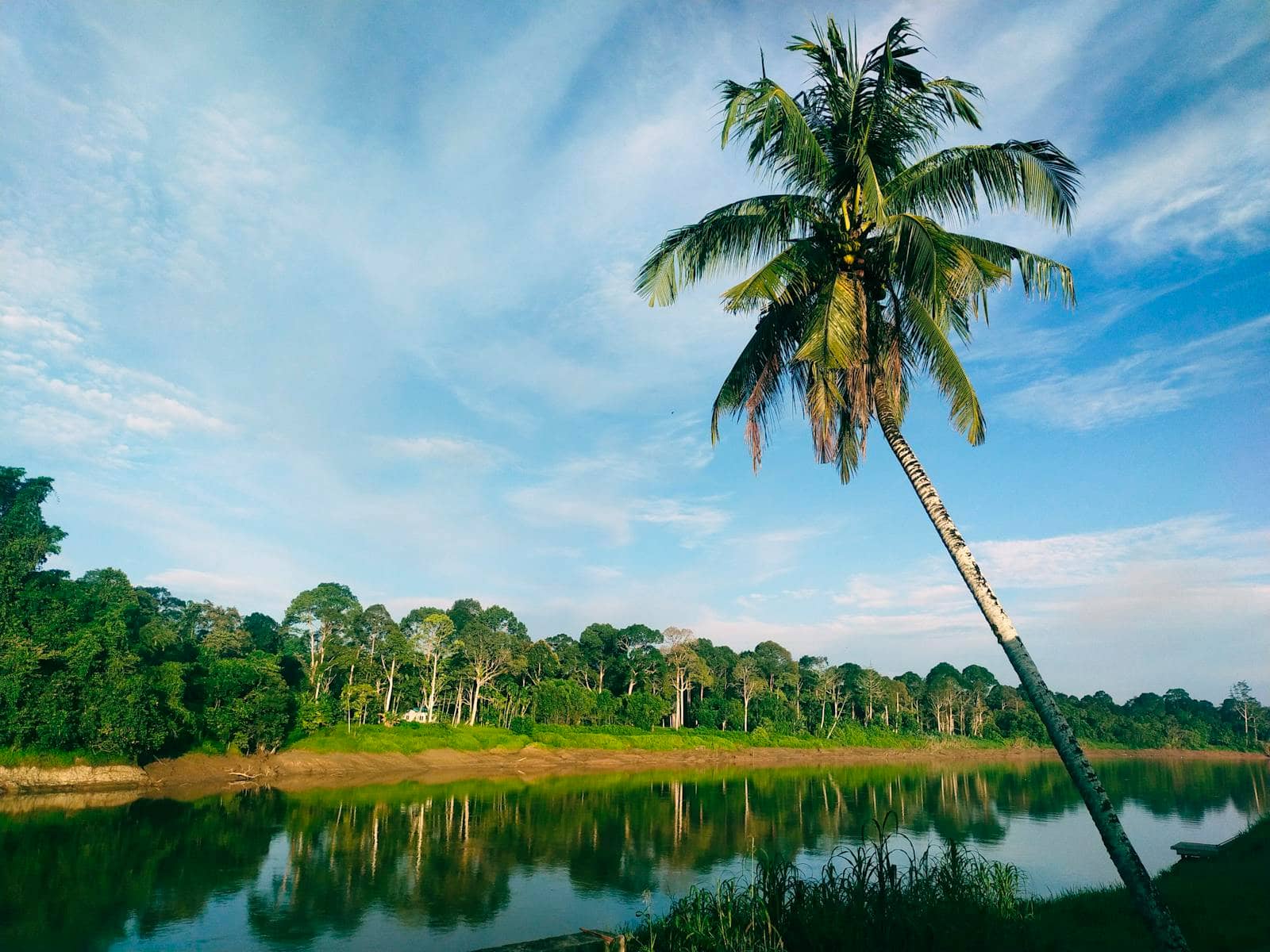
Native to peat swamps and blackwater streams in northern Borneo, primarily Brunei Darussalam and the adjacent Sarawak state of Malaysia. Water is:
- Stained dark brown from decaying plant material.
- Soft: general hardness typically under 3 dGH.
- Acidic: pH 4.5 to 6.0.
- Warm but not hot: 22 to 26 °C.
- Low mineral content.
- Usually flowing gently through forested areas.
Appearance and identification
Male:
- Elongated body, 10 to 12 cm.
- Intense red-orange overall body color when conditioned.
- Dark dorsal fin edge.
- Prominent mouth with enlarged branchiostegal region (mouthbrooder feature).
- Slightly downturned lower jaw.
Female:
- Similar shape but smaller, 8 to 10 cm.
- Body coloration less intense, often duller orange-brown.
- Body striping variable.
- Shorter fin extensions.
The two sexes are similar enough that inexperienced keepers sometimes mispair. Consult a breeder or high-quality photographs before purchase.
Keeping requirements
| Parameter | Seriously Fish profile |
|---|---|
| Temperature | 20–25 °C (68–77 °F) |
| pH | 4.0–6.0 |
| Hardness | 0–5 dGH |
| Adult size | Up to 100 mm standard length |
| Tank for a pair | Base of at least 80 × 30 cm |
| Breeding | Paternal mouthbrooder |
| Range | Brunei and the northern tip of Sarawak, Borneo |
The notes below run slightly narrower than these ranges; aim for the middle of both.
Tank: 20 gallons minimum for a pair; 30 gallons for comfort. Long footprint preferred over tall. Densely planted with blackwater-tolerant species (Cryptocoryne, Java fern, Anubias), driftwood, Indian almond leaves (affiliate) at 1 leaf per 5 gallons.
Temperament: considerably less aggressive than splendens. A conditioned breeding pair can share a single well-planted tank long-term, provided the layout offers plenty of sight-line breaks so a stressed fish can disappear from view.
Filter: sponge filter at moderate flow. Strong current stresses them.
Water parameters:
- pH 4.5 to 6.0 (aim for 5.5).
- dGH under 3.
- TDS 30 to 60 ppm.
- Temperature 22 to 25 °C. Cooler than splendens.
- Ammonia zero, nitrite zero, nitrate under 10 ppm.
Use RO or distilled water remineralized minimally. Tap water is usually too hard and too alkaline.
Lid: tight. Wild bettas jump much more than splendens.
Cover: lots of it. Plants, driftwood, caves. Fish spend much of their time hidden in natural habitat; replicate that.
Feeding
Starting fish will not accept dry food. Wild-caught or recently-imported individuals may go on hunger strike for weeks in unfamiliar setups. Live food is the starting point:
- Live blackworms (preferred).
- Live or frozen bloodworms.
- Small live shrimp (cherry shrimp fry work).
- Mosquito larvae (seasonal, caught from standing water at your own risk of pathogens).
Transition to frozen over 2-4 months. Eventual pellet acceptance is individual; many macrostoma never take pellets. Budget for live food as ongoing cost.
Reproduction
Mouthbrooding differs profoundly from bubble-nest spawning.
- Courtship: male and female approach each other in shallow water, bellies touching. Less dramatic display than splendens.
- Spawning: female releases eggs; male fertilizes. Both fish press together in a loose embrace. Eggs drop to the substrate or into the male’s mouth.
- Egg collection: male rapidly gathers all fertilized eggs into his mouth. This takes several minutes of diving and gulping.
- Incubation: male holds the eggs in his mouth for 10 to 14 days. He does not feed during this period. His buccal cavity is visibly distended.
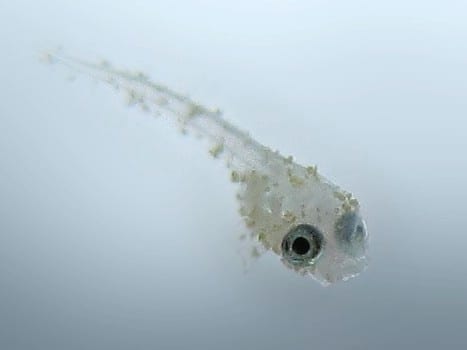
- Release: fry emerge as free-swimming juveniles at 8 to 10 mm. Male does not tend further.
Unlike bubblenesters, the male doesn’t need to be removed at fry free-swim; he simply stops being involved.
Female may be aggressive toward a mouthbrooding male; keep them in a tank with plenty of cover so the male can hide undisturbed.
Fry care
Free-swimming fry are already larger than splendens fry at free-swim (8-10 mm vs 3-4 mm). They accept baby brine shrimp immediately. Grow-out is slower than splendens (6-8 months to adult size vs 3-4 months).
Conservation status
Listed Endangered (EN) on the IUCN Red List (IUCN Red List, Betta macrostoma). The Seriously Fish species profile provides additional range and habitat documentation. Causes:
- Peat swamp destruction: Borneo’s native blackwater habitats are being drained for palm oil plantations.
- Pet trade overharvest: wild-caught pressure has depleted local populations.
- Climate change: altered rainfall patterns affect seasonal habitats.
Captive breeding programs exist in the IBC community and among specialist breeders. Source from captive-bred stock whenever possible; never collect from the wild.
Sourcing
Captive-bred, ethical:
- IBC members with macrostoma lines.
- Named breeders on AquaBid (Thai and Malaysian breeders with Borneo-origin fish).
- European specialist wild-betta keepers.
Wild-caught, ethical questionable:
- Indonesian and Malaysian export trade. Fish are collected from what’s left of the wild habitat. Avoid unless you’re part of a conservation-oriented captive breeding program and can document the fish’s origin.
Expect to pay $60 to $200+ per pair for captive-bred macrostoma.
Common beginner mistakes
- Using tap water without softening. pH and hardness mismatch stresses or kills.
- Community tank attempts. Macrostoma does not mix with splendens or most other species.
- Overfeeding dry food. Refused food fouls the tank; switch to live.
- Temperature too high. Keep below 26 °C. Tropical-keeper instinct to heat to 27-28 °C is wrong here.
- Small tank. 5-gallon is splendens territory; macrostoma needs real space.
Why bother
Betta macrostoma is the hobby’s most coveted wild species for reasons worth the difficulty:
- Stunning adult coloration when properly conditioned.
- Fascinating mouthbrooding behavior.
- Genuinely contributes to conservation if you breed successfully.
- Unique keeping challenge distinct from domesticated splendens.
A pair in a 30-gallon blackwater tank, breeding successfully, fry growing out, is one of the deepest experiences in the freshwater hobby.
It’s not a casual pet. It’s a project. Approach accordingly.