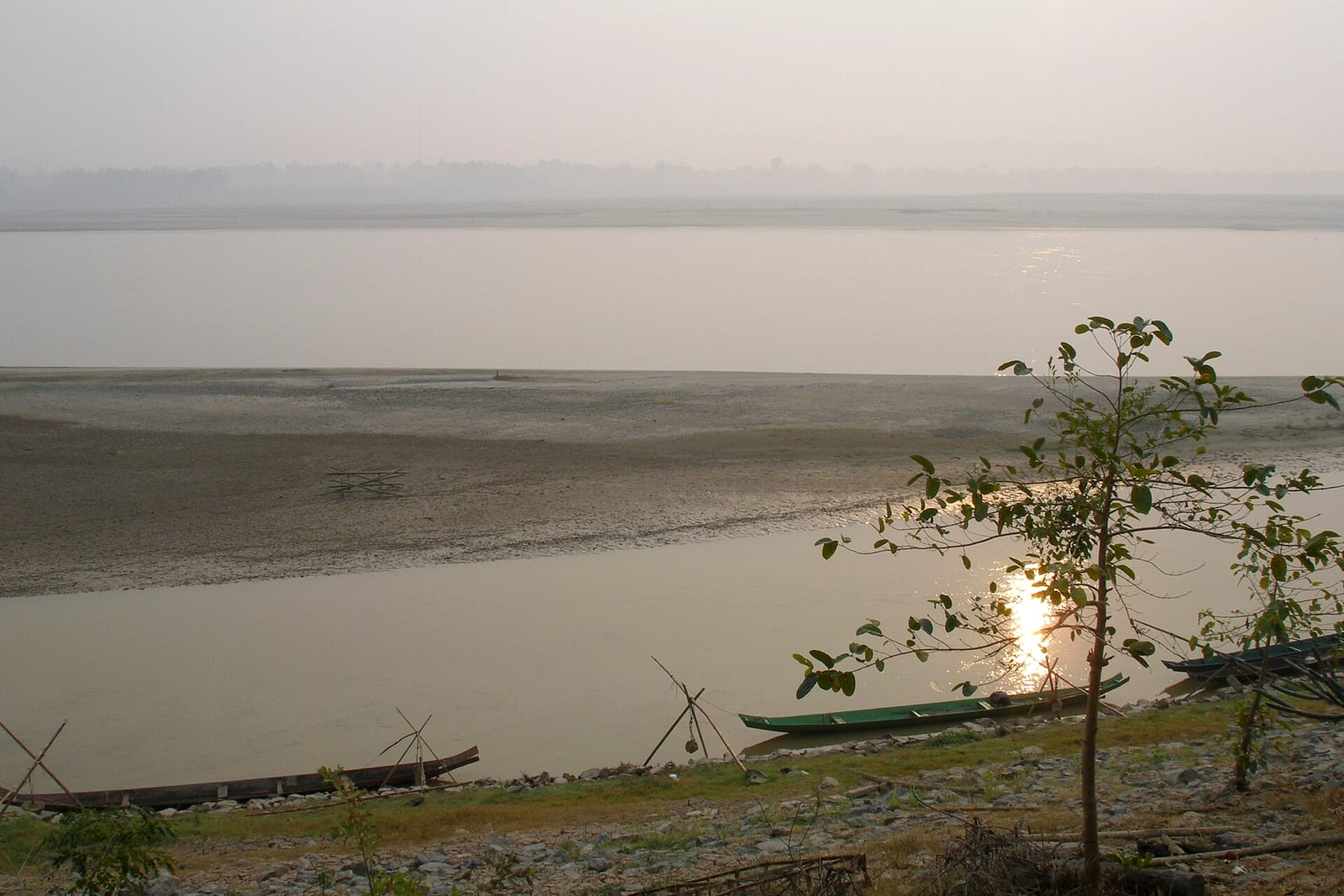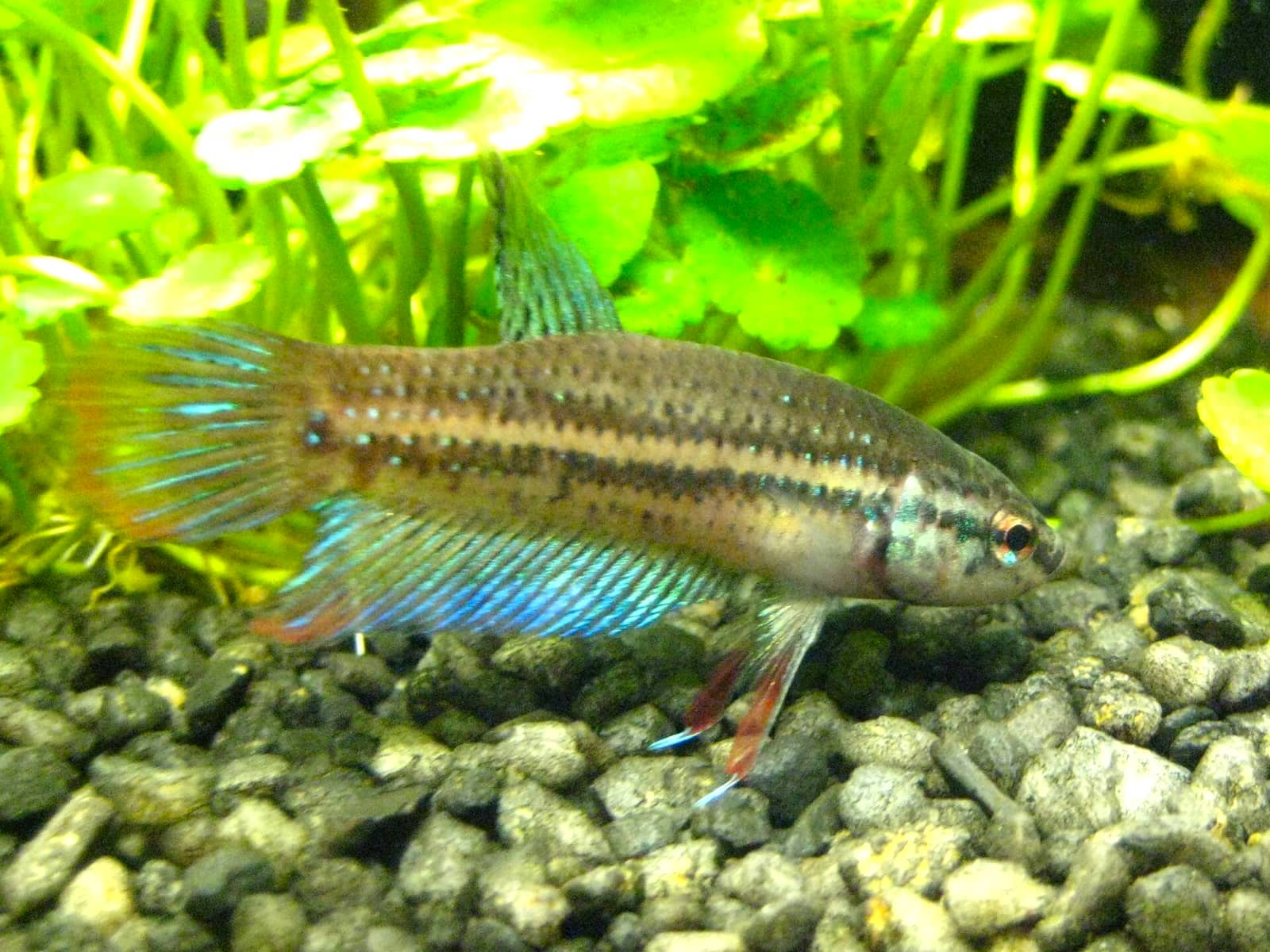
Betta smaragdina is the emerald betta, named directly for the intense green iridescence that distinguishes it from other members of the Betta splendens complex. It occupies the northeastern corner of Thailand and extends into Laos, a distribution centered on the Mekong floodplain rather than the Chao Phraya basin where B. splendens is most concentrated.
Taxonomy
The species was described by W. Ladiges in 1975 in Zoologischer Anzeiger as a new species based on specimens from northeastern Thailand. It is a member of the Betta splendens complex alongside B. splendens, B. imbellis, B. mahachaiensis, and B. siamorientalis. All are bubble-nest builders. All are aggressive males. All can hybridize with each other in captivity, and some hybridize naturally where their geographic ranges overlap.
The species name is straightforward: smaragdina, from the Latin smaragdus (itself from the Greek smaragdos, emerald), directly describes the fish.
Distribution
Betta smaragdina is endemic to the Mekong basin in northeastern Thailand (the Isan region: provinces including Nakhon Ratchasima, Khon Kaen, Udon Thani, and adjacent areas) and western Laos. The range does not overlap significantly with B. splendens to the west, though areas of range contact in central Thailand may produce hybrid zones.
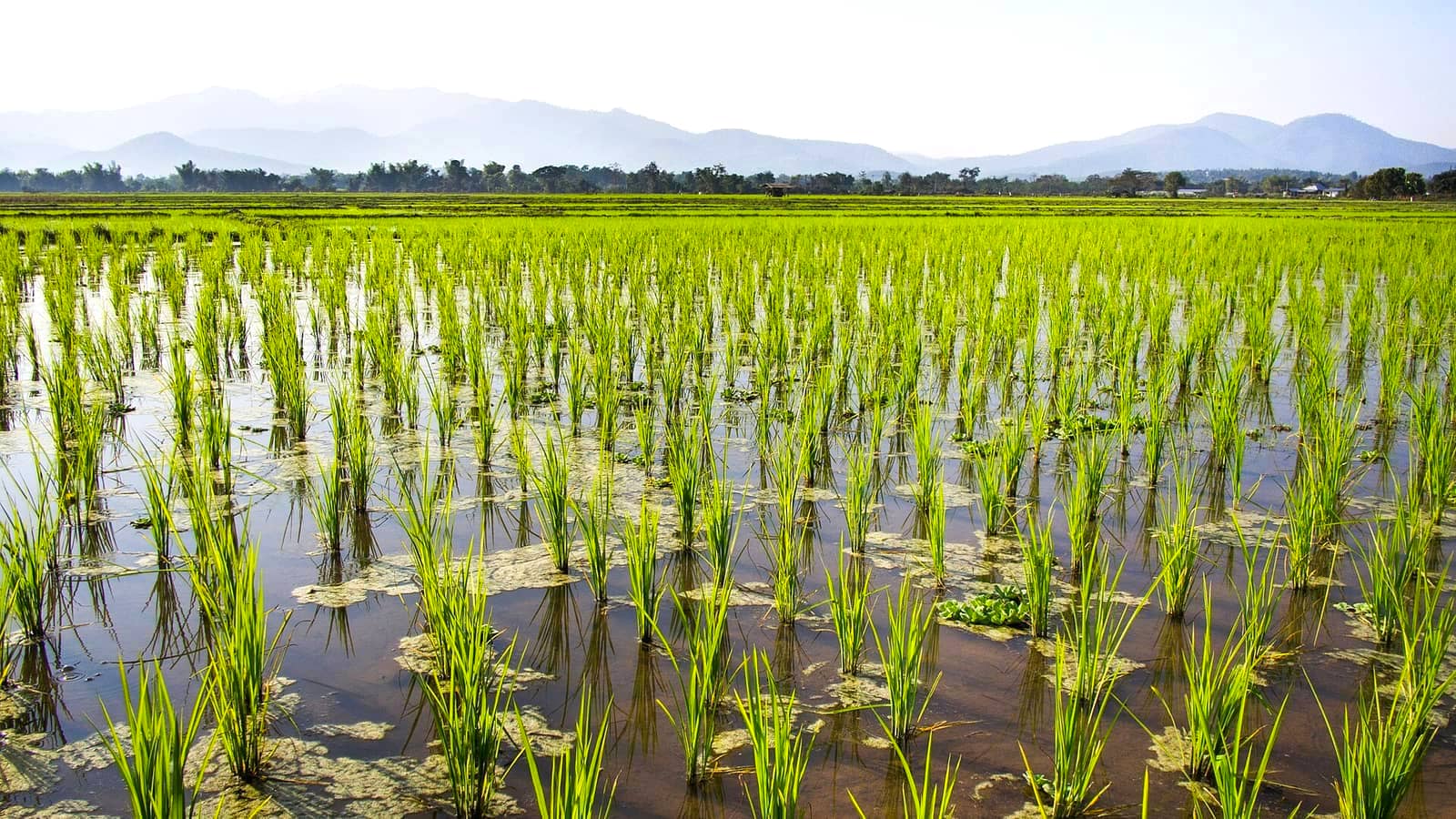
The Isan region is one of the driest parts of Thailand, with strongly seasonal rainfall. The habitats smaragdina occupies (rice paddies, irrigation channels, oxbow lakes, and temporary pools on the floodplain) experience dramatic variation between the monsoon wet season and the dry season. The fish survives the dry season in residual pools and moves across inundated fields during the monsoon, a pattern similar to B. splendens.
Identification
Adult males reach 5–6 cm standard length. Identifying features:
- Iridescence: Intense emerald-to-blue-green iridescent scales covering most of the body and extending into the fin rays. The green coloration is more saturated and more uniform than in most wild-type B. splendens.
- Red fin margins: Caudal and anal fins typically have red edges.
- Body: Similar proportions to wild B. splendens: torpedo-shaped, short fins compared to ornamental forms.
- Head: Typical anabantoid head with the labyrinth organ. No external morphological distinction from splendens head shape.
Females are smaller and less iridescent, identifiable by the ovipositor spot.
Cultural history: fighting fish of Isan
In northeastern Thailand, Betta smaragdina has been used as a fighting fish alongside, and sometimes instead of, B. splendens. The Isan region has its own regional fish-fighting culture, documented as distinct from the central Thai tradition centered on B. splendens. Local breeders in Isan have selectively bred fighting-line smaragdina for the same traits documented in splendens fighting lines: high aggression, body robustness, jaw strength.
The 2022 genetic architecture paper on the splendens complex (PubMed 36129976) detected selection signatures in fighting-line smaragdina broadly parallel to those in fighting-line splendens, consistent with centuries of independent parallel selection for fighting traits in two adjacent geographic populations of closely related fish.
The Isan fighting tradition is geographically specific. Breeders in Khon Kaen and Udon Thani provinces maintained separate smaragdina lines distinct from the central Thai plakat industry. The two traditions occasionally crossed fish for new genetic inputs, but regional identity remained strong enough that fighting-line smaragdina from Isan breeders can be distinguished from central Thai stock by body shape, jaw musculature, and the characteristic deep emerald coloration that local breeders favored over the more variable hues common in central Thai stock. This is exactly the kind of independent artificial selection that the 2022 genomic study quantified at the sequence level.
Captive care
Betta smaragdina care requirements are essentially the same as for wild-type B. splendens:
- Tank size: 10 gallons minimum per male
- Temperature: 24–28°C (76–82°F)
- Water chemistry: pH 6.0–7.5; tolerates slightly harder water than southern Thai species. Indian almond leaves (affiliate) or peat filtration reduces stress.
- Cover: Dense planting recommended
- Diet: High-protein diet, same as splendens: pellet staple, live/frozen supplement
Male aggression level is comparable to wild splendens. Do not house adult males together without serious preparation or established dividers. Male-female housing carries the same injury risks as splendens: condition both fish properly before any attempt at pairing.
Smaragdina hybridizes readily with splendens and its other complex relatives in captivity. If keeping a pure line matters to you, house the species separately, the way most serious collectors do.
Smaragdina is available from specialist wild betta importers and hobbyist breeders. It is less commonly stocked than B. imbellis in Western specialty fish stores, but not difficult to source from dedicated breeders.
Conservation status
IUCN Red List 2021: Least Concern. The species has a wide range across the Mekong floodplain and tolerates modified habitats including rice paddies and irrigation infrastructure. Primary ongoing pressure is the same as for all lowland Southeast Asian freshwater fish: agricultural intensification, pesticide runoff, and loss of natural floodplain connectivity through drainage and irrigation engineering.
No targeted conservation programs address smaragdina specifically. The species benefits from the broader Thai freshwater fish protections and from the 2019 declaration recognizing B. splendens as Thailand’s national aquatic animal, a policy framework that acknowledges the cultural and ecological significance of the splendens complex as a whole. For a comprehensive taxonomic reference, see Kottelat’s 2013 catalogue of Southeast Asian inland fishes (Raffles Bulletin of Zoology, 2013).