Shop
The gear a betta actually needs, in one place: tanks and stands, heaters and thermometers, filtration, lighting, substrate, plants and hides, food, medications, maintenance tools, and breeding equipment. Filter by category or scroll the full list. All 72 were checked against their Amazon listing on 2 August 2026, and anything we would tell you to avoid is not here.
This page contains affiliate links, see our disclosure. We only list products we recommend.
72 products
-
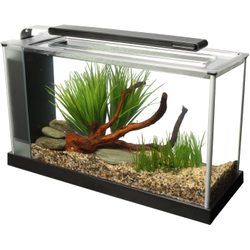
The best complete kit at 5 gallons. Etched glass, aluminium trim, a three-stage filter hidden in the rear chamber, and an LED arm bright enough to keep Anubias and Java fern growing. The stock pump moves more water than a betta wants, so turn the output nozzle to its lowest setting and put a sponge over the intake. No heater included.
4.3 ★ 3,060 Amazon ratings
-
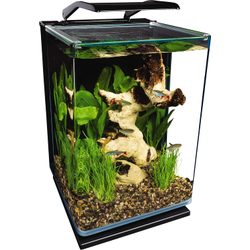
The kit to buy when the tank has to look like furniture. Curved front glass, filtration hidden in a rear chamber, and a sliding glass canopy that also answers the jumping problem. The pump flow is adjustable, which is the specification that decides whether a kit suits a betta at all. Heater sold separately.
4.4 ★ 10,082 Amazon ratings
-
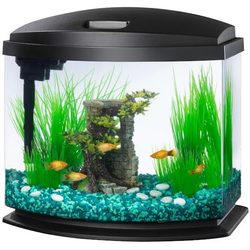
Acceptable at the bottom of the range. It clears the 5 gallon floor, includes a filter and a hood, and asks nothing of you but a heater. The curved front distorts the view and the included filter runs faster than a betta wants until you fit a sponge over the intake. Buy it over a bowl, not over a rectangular tank.
4.3 ★ 6 Amazon ratings
-
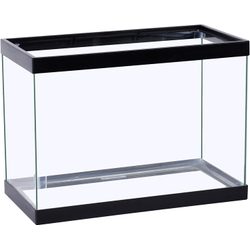
The cheapest honest way to house a betta. A plain rectangular box, then you choose the heater, the sponge filter and the lid instead of paying for the parts a kit bundles and a betta does not need. Sixteen inches of front glass gives a fish that swims horizontally somewhere to go.
4.6 ★ 1,019 Amazon ratings
-
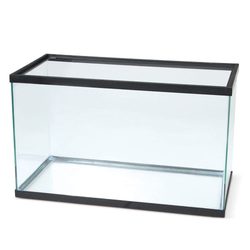
Ten gallons is the size that solves problems. It is the standard footprint for a divided two-betta tank, the recommended spawning tank, and the right volume for quarantine when a new fish arrives. Twice the water moves half as fast when something goes wrong, which is the whole argument for it. Takes a 50W heater, not a 25W.
4.4 ★ 27 Amazon ratings
-
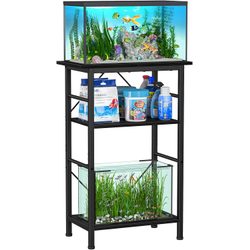
A filled 10 gallon comes to roughly 110 pounds once glass, water and substrate are counted, which is past what most side tables and shelves are built for. A steel frame sized to the footprint takes the guesswork out, and the lower shelves put the test kit, the food and the conditioner within reach of the tank.
4.3 ★ 448 Amazon ratings
-
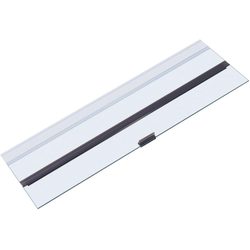
Bettas jump, and a betta on the floor is the most preventable death in this hobby. Hinged glass with a plastic back strip you trim to fit cords and airline. Glass also cuts evaporation and holds the warm humid layer a bubble nest needs to survive. Measure the tank opening first, because the sizes are exact.
4.4 ★ 712 Amazon ratings
-
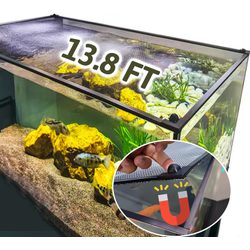
For rimless tanks and any opening a glass lid will not sit on. You cut the netting and hold it down with the magnetic frame, which leaves room for cords without leaving a betta-sized gap. Mesh loses heat and water faster than glass, so watch the water line and the thermometer through the first week.
4.4 ★ 341 Amazon ratings
-
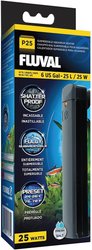
Preset thermostat holds within 0.3°C typical. Shatterproof polymer casing. No user adjustment means nothing drifts. The most common cause of betta death after undersized tanks is temperature failure; a reliable preset heater eliminates it.
3.9 ★ 767 Amazon ratings
- Temperature holds steady without any adjustment, exactly right for bettas
- Polymer casing can't shatter, important in nano tanks
- LED indicator makes it easy to see when the heater is actively heating
-
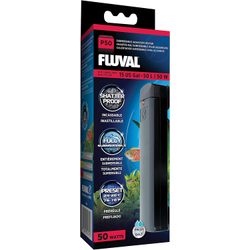
The P25 scaled up for a 10 gallon divided or quarantine tank. Same sealed preset design with nothing to adjust and nothing to knock off setting, same shatterproof polymer casing. Ratings across the preset line run lower than on the adjustable heaters here, so pair it with a separate thermometer and check it through the first week rather than trusting the indicator light.
3.9 ★ 767 Amazon ratings
-
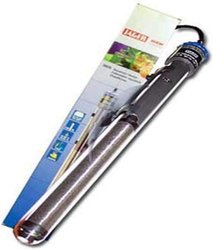
German-built adjustable heater with a decade-long reliability track record. Preferred by breeders who need precise temperature control for conditioning (27–28°C), spawning, or wild species. Calibration is possible when thermostat drifts over years. Larger than the Fluval P25 but more versatile.
4.0 ★ 370 Amazon ratings
- German-built, 10+ year reliability track record in the hobby
- Calibration dial corrects thermostat drift after years of use
- Accurate to within 1°F when calibrated against a reference thermometer
-
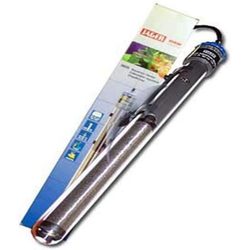
The 50W version of the heater breeders already trust, sized for a 10 gallon spawning, divided or quarantine tank. The same calibration dial as the 25W, so a thermostat that drifts after a few years gets corrected instead of replaced. Do not put 50W in a 5 gallon: less water means less thermal mass, so oversizing overshoots rather than protects.
4.4 ★ 901 Amazon ratings
-
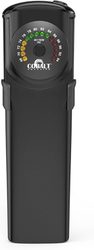
The flat rectangular form factor fits nano tanks and display tanks where a cylindrical heater would be intrusive. ±0.5°F precision is better than most preset heaters. Adjustable across a wide range. Shatter-resistant housing.
4.2 ★ 456 Amazon ratings
- ±0.5°F accuracy noticeably better than comparable preset heaters
- Flat form factor is ideal for nano tanks with limited internal space
- Some durability variation, some units reported failing within a year
-
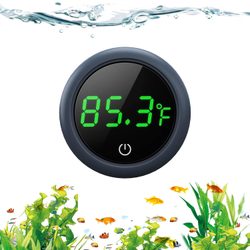
A heater's indicator light tells you it is drawing power, not what the water is doing. A separate thermometer is the only thing that catches a stuck thermostat before the fish does, and by then it is usually too late. It reads faster and clearer than a strip, and the probe tucks in behind the filter out of sight.
4.5 ★ 6,113 Amazon ratings
-
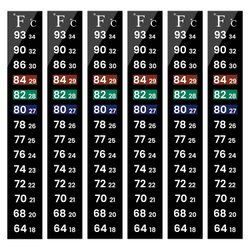
The cheap backup. A strip on the outside glass reads a degree or so off the true water temperature because it is partly reading the room, but it shows a heater failure at a glance from across the room. Six in a pack covers a quarantine tank and a jar rack as well. Buy one alongside a digital, not instead of it.
4.2 ★ 732 Amazon ratings
-
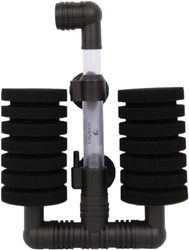
Air-driven at low velocity means zero fin damage from current. Double sponge provides twice the bacterial surface area and lets you rinse one side while the nitrogen cycle stays intact on the other. The gold standard for betta filtration.
4.4 ★ 434 Amazon ratings
- Completely silent, no pump noise in the room
- Double sponge lets you rinse one half without crashing the cycle
- Fine pores won't suck in fry or baby shrimp
-
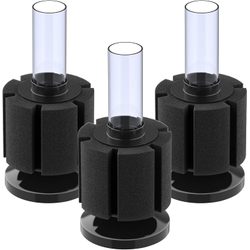
Three filters for about the price of one branded unit, which is what you want the moment there is a quarantine tank as well as a display tank. Air-driven, so the flow never reaches the speed that pulls at fins. Keep a spare running in an established tank and you have a cycled filter ready the day a sick fish needs isolating.
4.6 ★ 2,263 Amazon ratings
-
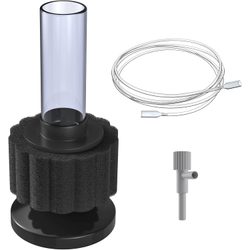
Sized for a quarantine or hospital setup, and it ships with the airline and a control valve so the only missing part is a pump. The valve matters more than it looks: it is how you drop the flow to a trickle for a fish with torn fins that should not be swimming against anything.
4.5 ★ 1,981 Amazon ratings
-
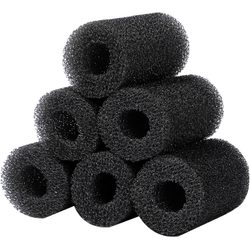
The part that makes a hang-on-back filter usable for a betta. It slides over the intake, spreads the suction across the whole sponge, and stops long fins being pinned to the strainer. It also catches coarse waste before the media does, so the basket needs cleaning less often. Fits 0.8 inch intakes.
4.5 ★ 2,245 Amazon ratings
-
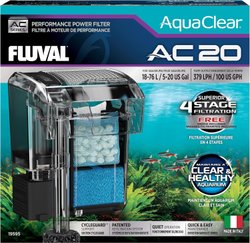
The most modifiable hang-on-back filter at this price point. For bettas: reduce flow to minimum and add a pre-filter sponge on the intake. The basket accepts any media, sponge, ceramic bio, or thin activated carbon. Rated for 10–20 gallons; runs appropriately at minimum for a 5–10 gallon betta tank.
4.4 ★ 7,348 Amazon ratings
- Customizable media basket accepts any combination of sponge, bio, or carbon
- Quiet when primed correctly, loud gurgling means air is trapped in the intake
- Reduce flow to minimum and add a pre-filter sponge for betta use
-
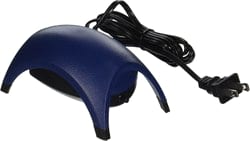
A sponge filter is only half a filter without a pump, and this is the half nobody photographs. Rated to 10 gallons, quiet enough for a bedroom, and common enough that replacement diaphragms are still easy to find years later. Mount it above the water line or fit a check valve, so a power cut cannot siphon the tank onto the floor.
4.4 ★ 128 Amazon ratings
-
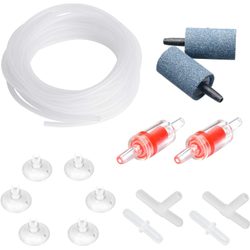
Tubing, check valves, suction cups and air stones in one bag, which covers the entire run between an air pump and a sponge filter. The check valve is the piece that matters. Without one, a pump that stops while sitting below the water line will quietly empty the tank through the airline.
4.6 ★ 4,769 Amazon ratings
-
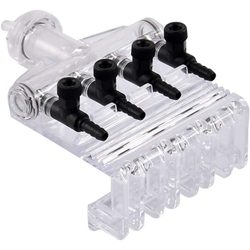
One pump can run several sponge filters as long as you can meter the air to each. That is a jar rack requirement, and it is also how a display tank and a quarantine tank share a single pump. Each outlet closes on its own, so a tank can be added without re-plumbing the others.
4.3 ★ 232 Amazon ratings
-
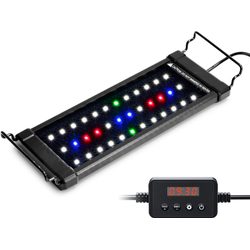
The default light for a 5 gallon. Enough output for Anubias, Java fern and Cryptocoryne without feeding an algae bloom, brightness adjustable, and a built-in timer that handles the part of lighting that actually matters: the same hours every day. Set the daylight block and leave the moonlight function switched off.
4.6 ★ 9,023 Amazon ratings
-
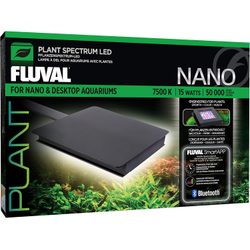
More light than a low-tech tank needs, which is the point if you intend to grow something demanding. Full spectrum control and a programmable day cycle with gradual sunrise and sunset ramps, easier on a fish than a fixture that snaps to full output. Several times the price of the NICREW and only worth it if the plants justify it.
4.5 ★ 1,538 Amazon ratings
-
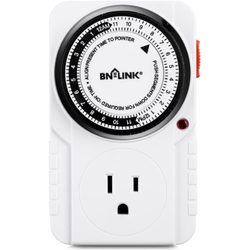
A light without a timer runs on human memory, and human memory is what produces the 14-hour day that turns a tank green. Mechanical, so there is no firmware to reset after a power cut, just pins you push down. It also keeps the schedule running while you are away.
4.5 ★ 22,115 Amazon ratings
-
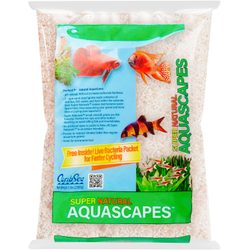
The safest all-round bed for a betta. Grains at 0.5 to 2 mm are smooth, pH neutral, and fine enough that waste sits on the surface where a siphon can reach it instead of vanishing into the bed. The natural tone hides mulm better than black or white does. A 20 lb bag is far more than a 5 gallon needs, so the rest waits for the next tank.
4.6 ★ 315 Amazon ratings
-
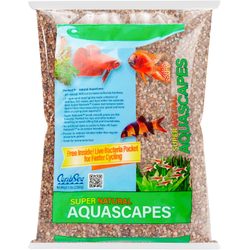
Gravel for keepers who would rather pull waste out of the bed than skim it off the top. Rounded river stone with no fractured edges to catch a caudal fin, pH neutral, in mixed natural tones that hide mulm. Root tabs cover anything planted in it. Rinse until the water runs clear, which takes longer than the bag suggests.
4.7 ★ 533 Amazon ratings
-
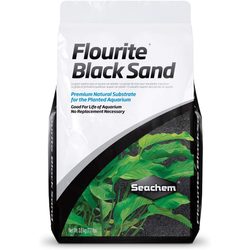
Fracted porous clay rather than coated gravel, and Seachem states it does not alter pH. It feeds plants by cation exchange instead of leaching nutrients into the water, so unlike aquasoil it costs you nothing in cycling time. It arrives dusty and needs a far longer rinse than you will expect.
4.5 ★ on Amazon
-
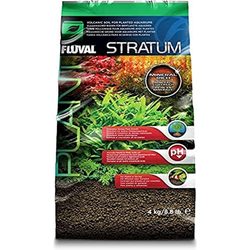
Volcanic soil from the Mount Aso foothills, in a bag sized for a nano tank rather than a four-foot display. It grows plants better than anything else you can put in a tank, and it leaches ammonium for weeks after setup. That makes it a substrate you cycle out before the fish arrives, never one you add to a running tank.
4.7 ★ on Amazon
-
Handles chloramine (not just chlorine), temporarily binds ammonia for 24–48 hours, and is safe at 5× normal dose. A 500 ml bottle outlasts years of weekly water changes on a single 5-gallon. No other conditioner does all three.
4.8 ★ 43,175 Amazon ratings
- Works on chloramine, most conditioners only neutralize chlorine
- A tiny amount treats 50 gallons; concentrated formula lasts months
- Detoxifies ammonia temporarily during cycling crashes
-

A dechlorinator with an aloe-based slime coat additive, worth keeping for a hospital tank where a fish is regrowing torn fins. It is weaker than Prime on the chemistry that matters most, because it does not detoxify ammonia and it does not go nearly as far per drop. Buy it as the second bottle, not the only one.
4.8 ★ 38,560 Amazon ratings
-

Dosed after netting, shipping, or any handling that strips the slime coat. It binds and reduces toxic ammonia at the same time, which is exactly the combination a quarantine tank needs while its filter is still immature and the fish is already stressed. It treats nothing; it buys the fish a better starting position.
4.7 ★ on Amazon
-
Adds live nitrifying bacteria to seed or accelerate a new filter. Cuts fishless cycling time by 1–2 weeks in most setups. Also useful for dosing new jarring containers during breeding grow-out to prevent ammonia spikes before the biofilm establishes.
4.8 ★ 13,535 Amazon ratings
- Cut cycling time significantly when seeding a new filter
- Reliable ammonia protection after water changes and filter cleanings
- Works in both fresh and saltwater, consistent across setups
-
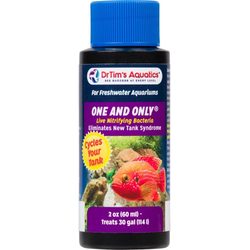
Actual nitrifying bacteria, which is the distinction that separates it from the shelf of products containing heterotrophs and promising an instant cycle. Paired with an ammonia source it cuts a fishless cycle down substantially. It ships refrigerated and it carries a real expiry date, so check both before dosing a whole bottle.
4.5 ★ 654 Amazon ratings
-
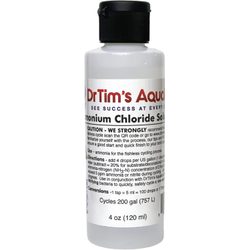
The clean way to cycle a tank. Four drops per gallon, then test until ammonia and nitrite both read zero and nitrate appears. Dosing a known quantity of pure ammonium chloride is repeatable in a way that rotting fish food never is, and nothing has to live in the tank while the bacteria establish. One bottle outlasts most tanks.
4.6 ★ on Amazon
-
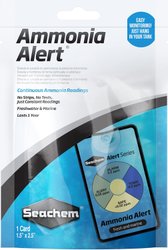
A passive chemical sensor badge that sits in the tank and changes color when free ammonia exceeds the threshold. Does not replace the API test kit for routine testing but provides continuous real-time monitoring between test days. One year of coverage. The best cheap insurance against a cycling crash.
4.2 ★ 3,960 Amazon ratings
- At-a-glance monitoring between scheduled test days catches crashes early
- Reads free ammonia only, use alongside the API test kit for total ammonia
- One badge lasts 12 months; inexpensive insurance for a single tank
-
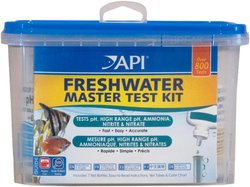
Liquid reagents are significantly more accurate than test strips at the concentrations that matter. One kit provides approximately 800 tests across four parameters and lasts 2–3 years. The ammonia test catches 0.25 ppm where strips miss it entirely.
4.8 ★ 31,345 Amazon ratings
- Liquid reagents catch 0.25 ppm ammonia where strip tests miss it
- 800 tests from one kit; lasts 2–3 years for a single tank
- Ammonia color gradient (yellow-green) is hard to read at borderline levels
-
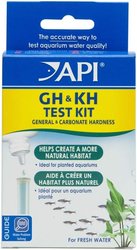
Run once at setup to establish your tap water baseline. Repeat if fish show unexplained stress with clean ammonia/nitrite/nitrate/pH, or if you switch to RO water. Not a weekly-test item, but very useful for diagnosing pH instability caused by low carbonate hardness.
4.7 ★ 5,917 Amazon ratings
- Run once at setup to catch low KH that causes pH crashes
- Used for 14+ years by experienced keepers, consistent reliability
- Colors are bright and distinct; easy to read on a white background
-
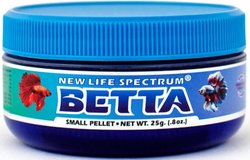
Whole krill as first ingredient provides carotenoid pigments that drive red and orange saturation in erythrophores. No wheat or corn. 1mm pellets are the right size for most adult bettas. A 1oz jar lasts 4–6 months feeding one fish daily.
4.4 ★ 276 Amazon ratings
- Noticeably better red and orange color saturation after 2–3 weeks
- 1mm pellets hit the right size, bettas take them without hesitation
- A 25g jar lasts 4–6 months for one fish at one feeding per day
-
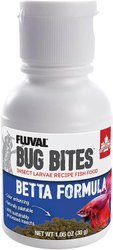
Black soldier fly larvae as first ingredient provides the highest protein content of any mainstream betta pellet. Micro-granule format sinks slowly, bettas intercept it mid-water rather than surface-gulping air. Most bettas accept it immediately.
4.6 ★ 2,897 Amazon ratings
- Bettas take it immediately, no acclimation period needed
- Granules sink slowly and bettas intercept them mid-water
- Soft enough to break apart for smaller fish or picky eaters
-
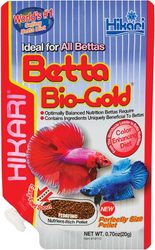
A legacy product with a 30+ year track record. Floating pellets match betta natural surface-feeding posture. Consistent quality, widely available at pet stores if you need it fast. Fish meal first. The reliable fallback when NLS isn't in stock.
4.7 ★ 1,828 Amazon ratings
- Bettas accept it immediately, reliable palatability across generations of fish
- Floating pellets match natural surface-feeding behavior
- Consistent quality over years, no batch variation complaints
-
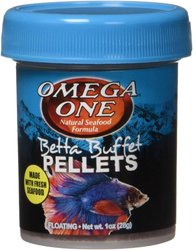
Whole salmon as first ingredient. 42% protein. Pungent real-fish smell (a reliable quality indicator, it means actual fish protein rather than rendered meal). Good color enhancement. Slightly larger 1.5mm pellets; best for adult bettas, may be large for small juveniles.
4.6 ★ 1,391 Amazon ratings
- Strong real-fish smell triggers immediate feeding response
- 1.5mm pellets work well for adults; too large for young or small bettas
- Good color enhancement, several users note improved reds after a few weeks
-
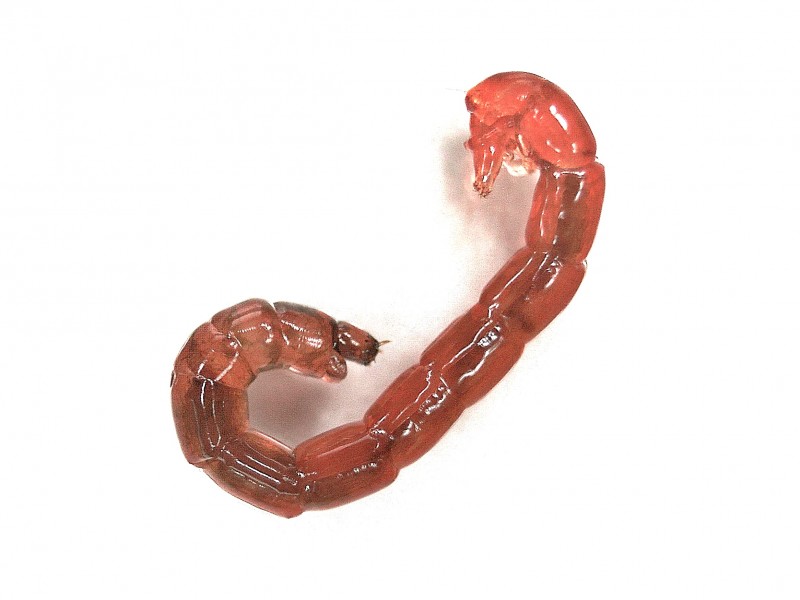
Frozen is what a betta should be eating alongside pellets. Freezing kills the parasites live bloodworms can carry, the moisture content avoids the gut swelling dried food causes, and a cube thaws in a shot glass of tank water in about 90 seconds. Daphnia cubes are also the first thing to reach for when a fish is constipated. Which brands ship frozen varies week to week, so this one goes to a search.
-
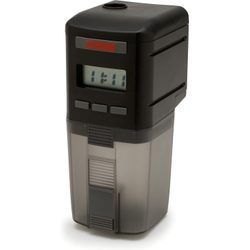
For absences past four days, when the alternative is a neighbour who has never fed a fish. Programmable to several feeds a day, with a transparent drum so you can see what is left. Calibrate it over a week before you travel, because an uncalibrated feeder dumps food that rots, and that is worse for the tank than a betta going hungry.
4.4 ★ on Amazon
-
Only relevant once there are shrimp in the tank. It feeds the biofilm that Neocaridina actually graze rather than feeding the shrimp directly, which is the difference between a colony that breeds and one that merely survives. A tiny scoop covers a nano tank, and overdosing clouds the water for a day.
4.8 ★ on Amazon
-
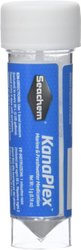
First-line antibiotic for fin rot (moderate to severe), popeye, and septicemia. Effective against Aeromonas and Pseudomonas. Can be dosed in water or bound to food for systemic infections. Minimal impact on biological filtration at therapeutic doses.
4.6 ★ 3,970 Amazon ratings
- Cleared popeye and fin rot in cases where other treatments failed
- Can dose in food for fish that won't absorb it through medicated water
- Effective against columnaris and Aeromonas when caught early
-
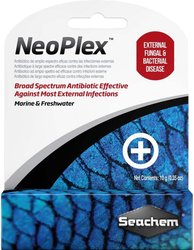
Combines with KanaPlex for severe fin rot and columnaris, hitting gram-negative bacteria with two different mechanisms simultaneously. Also effective as a solo treatment for external bacterial infections at the moderate stage.
3.5 ★ 5 Amazon ratings
- Pairs with KanaPlex for a two-mechanism attack on columnaris
- Effective standalone for external bacterial infections at moderate stage
- Small 10g jar goes a long way, a little treats many doses
-
Malachite green and formalin at therapeutic-but-mild concentrations. Labeled for both ich and velvet. The 14-day protocol at 30°C clears virtually all ich presentations caught before advanced gill involvement. The most reliable OTC ich treatment available.
4.6 ★ 3,149 Amazon ratings
- Visible reduction in ich spots within 48 hours when dosed correctly
- Works on both ich and velvet, replaces two separate medications
- For freshwater use only, ineffective and potentially harmful in marine reef tanks
-
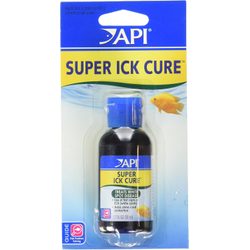
The backup for when Ich-X is out of stock. Malachite green and formalin, the same class of treatment, run on the same 14 day protocol at raised temperature. Ich-X is still the first choice on dosing accuracy, but an ich outbreak does not pause while a preferred brand restocks.
4.5 ★ on Amazon
-
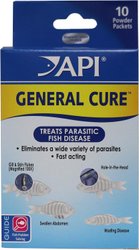
Metronidazole plus praziquantel in one packet covers internal flagellates (Hexamita, causing hole in the head), trematodes, and cestodes. Metronidazole is the primary treatment for HITH; praziquantel covers fluke-related gill irritation. Useful to have before you need it.
4.3 ★ 2,900 Amazon ratings
- Packet format makes dosing simple, no measuring required
- Two active ingredients in one treatment covers both parasites and flagellates
- Useful preventive treatment when a fish looks off but disease isn't obvious yet
-
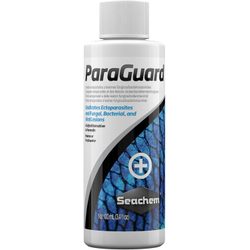
Aldehyde and malachite green, dosed daily, and gentler on a biological filter than most external treatments. This is the antifungal to reach for once a cottony patch is confirmed fungal rather than the columnaris that mimics it. Broad enough to earn a place in a quarantine routine, specific enough that it is not a cure-all.
4.6 ★ on Amazon
-
The most widely stocked over-the-counter antifungal, for confirmed Saprolegnia rather than the columnaris that looks just like it. It carries mild antibacterial activity too, which helps because the two conditions often arrive together. No improvement inside 48 hours means the diagnosis was wrong and the fish needs an antibiotic instead.
-
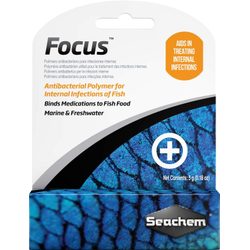
A polymer binder that holds powdered antibiotic onto a pellet long enough for a fish to swallow it. That is what makes it useful for an internal infection, where a fish that has stopped taking anything up through the water can still be dosed through its food. Mixed at one part medication to five parts Focus. It is not a medication itself.
4.6 ★ on Amazon
-
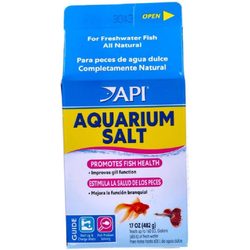
One tablespoon per 5 gallons for 7 to 10 days is a legitimate adjunct in mild fin rot. That is the whole of its use. It does not treat ich, velvet, internal parasites or bacterial infection, and running it permanently as a tonic just stresses a soft-water fish. Keep a box, use it rarely, and never in place of a diagnosis.
4.7 ★ on Amazon
-
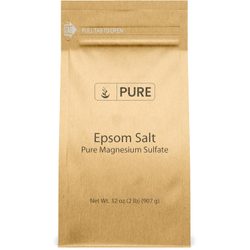
Magnesium sulfate, which is a different compound from aquarium salt and is not interchangeable with it. A teaspoon per gallon in a hospital tank draws down the fluid pressure behind a swollen eye while an antibiotic deals with the infection underneath. A quarter teaspoon per gallon works as a mild laxative after a fast. Buy it unscented, with nothing else in the bag.
4.7 ★ on Amazon
-
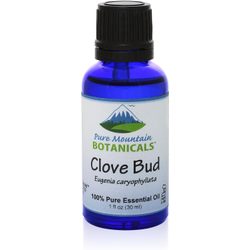
The one thing on this page nobody wants to need. Eugenol is the accepted humane method for a fish that cannot be treated: it sedates first and stops respiration second, without the distress of the improvised alternatives people reach for instead. A 1 oz bottle is a lifetime supply. Follow the staged protocol rather than guessing at a dose.
5.0 ★ on Amazon
-
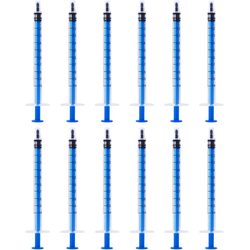
Fish medication is dosed by the gallon, and a 5 gallon hospital tank means fractions of a millilitre, where a kitchen spoon is guesswork. A graduated 1 ml barrel turns an underdose into a decision rather than an accident. It is also the easiest way to spot-feed a fish that will only take what lands in front of it.
4.5 ★ on Amazon
-
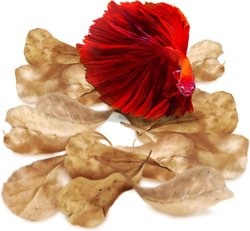
Terminalia catappa leaves release tannins that lower pH slightly and have mild documented antimicrobial properties. One large leaf per 5 gallons, replaced every 2–3 weeks. Used as spawning anchors, blackwater simulation for wild species, and stress reduction in hospital tanks. One of the most genuinely useful low-cost products in the hobby.
4.5 ★ 6,376 Amazon ratings
- Visible water tinting within hours; bettas visibly calmer after addition
- One leaf per 5 gallons lasts 2–3 weeks before losing potency
- Bettas often rest on or near leaves, natural behavioral enrichment
-

A cave a betta can get back out of. The wide bore is the entire point, because resin ornaments with narrow holes trap fish and a trapped betta is a dead betta. Ceramic, so it sinks straight away and has no paint to chip. It doubles as a spawning site and as the hiding place a bare quarantine tank otherwise lacks.
4.4 ★ 3,149 Amazon ratings
-
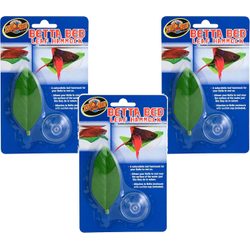
Bettas rest near the surface, and a leaf a few inches down gives them somewhere to do it without holding position in open water. The suction cup means you set the depth to suit the fish rather than to suit a plant. Three in a pack, which covers both sides of a divided tank.
4.3 ★ 317 Amazon ratings
-

Silk for the tanks where live plants are not practical. The fabric leaves bend against fins instead of catching them, which is the whole case against the hard plastic plants sold on the same shelf. Most useful in a hospital or quarantine tank, where live plants complicate dosing and get discarded with the treatment water.
4.3 ★ on Amazon
-

Hollow cactus skeleton, so it works as a hide and a biofilm farm at once. It sinks within a day or two, releases mild tannins as it softens, and shrimp graze on it constantly. Six inch tubes suit a nano tank. Treat it as consumable, because it breaks down over several months and is meant to.
4.6 ★ on Amazon
-

The mounting surface for Anubias and Java fern, both of which rot if their rhizome is buried in substrate. Tie or glue the rhizome to the wood and the plant does the rest. Expect tannins to tint the water for the first few weeks, which suits a blackwater fish. Soak or boil it first, or it will float for a month.
4.2 ★ on Amazon
-
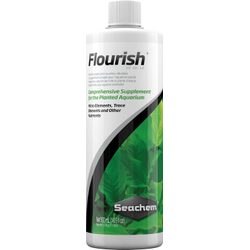
Trace elements for a low-tech planted tank, dosed weekly at a capful per 60 gallons, which for a 5 gallon works out to a few drops. Anubias, Java fern and Cryptocoryne feed largely from the water column, so this is the difference between new growth coming in green and coming in pale.
4.7 ★ on Amazon
-
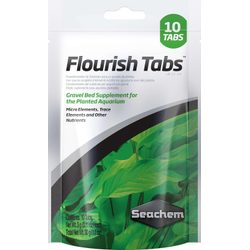
For anything rooted in an inert bed: Cryptocoryne, swords, and stem plants in sand or gravel. Push a tab into the substrate near the roots every few months. Inert sand grows root feeders badly on its own and no amount of liquid fertilizer makes up for it.
4.6 ★ on Amazon
-
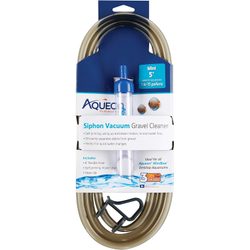
Sized for a nano tank, which matters more than it sounds: a full-size gravel vacuum empties a 5 gallon before it has cleaned anything. The short tube pulls waste out of the substrate while taking out the weekly 25 to 30 percent and no more. The simplest tool here and the one that does the most for water quality.
4.2 ★ 8,702 Amazon ratings
-
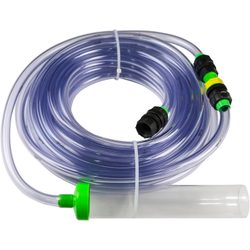
Worth buying once buckets are the reason water changes get skipped, which usually means several tanks or anything above 10 gallons. It drains and refills through the tap, so the water never crosses the room. Dose conditioner for the full tank volume as it refills, because the incoming water is untreated.
4.6 ★ on Amazon
-

Fine soft mesh, because coarse netting catches the ray tips on long fins and tears them. Use it far more often for skimming uneaten food and surface film than for catching the fish, which is better done by letting it swim into a cup. The telescopic handle reaches the bottom without a wet sleeve.
4.4 ★ on Amazon
-
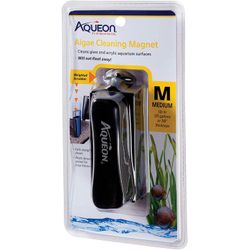
Cleans the inside of the glass from the outside, so the water stays undisturbed and your arm stays dry. Keep the pad away from the substrate. One grain of sand caught under the magnet will score glass in a single pass, and acrylic in less than that. The medium size suits glass up to about a quarter inch.
4.6 ★ on Amazon
-
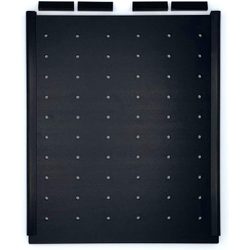
A solid panel that wedges under the rim of a standard 10 gallon, which is the closest thing to a real visual barrier you can buy without cutting acrylic yourself. Two males who cannot see each other stop displaying and go back to normal behaviour. It also blocks water movement, so each side needs its own heater and filter.
4.3 ★ on Amazon
-
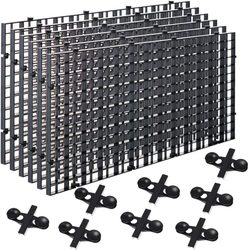
Structural grid for a divider wider than a standard 10 gallon, supplied with sucker clips. Read it as a frame rather than a finished divider: the half inch cells are wide enough for a betta to wedge into, so a layer of fine mesh has to go on one face before it goes anywhere near the tank.
4.3 ★ on Amazon
No products match this filter.