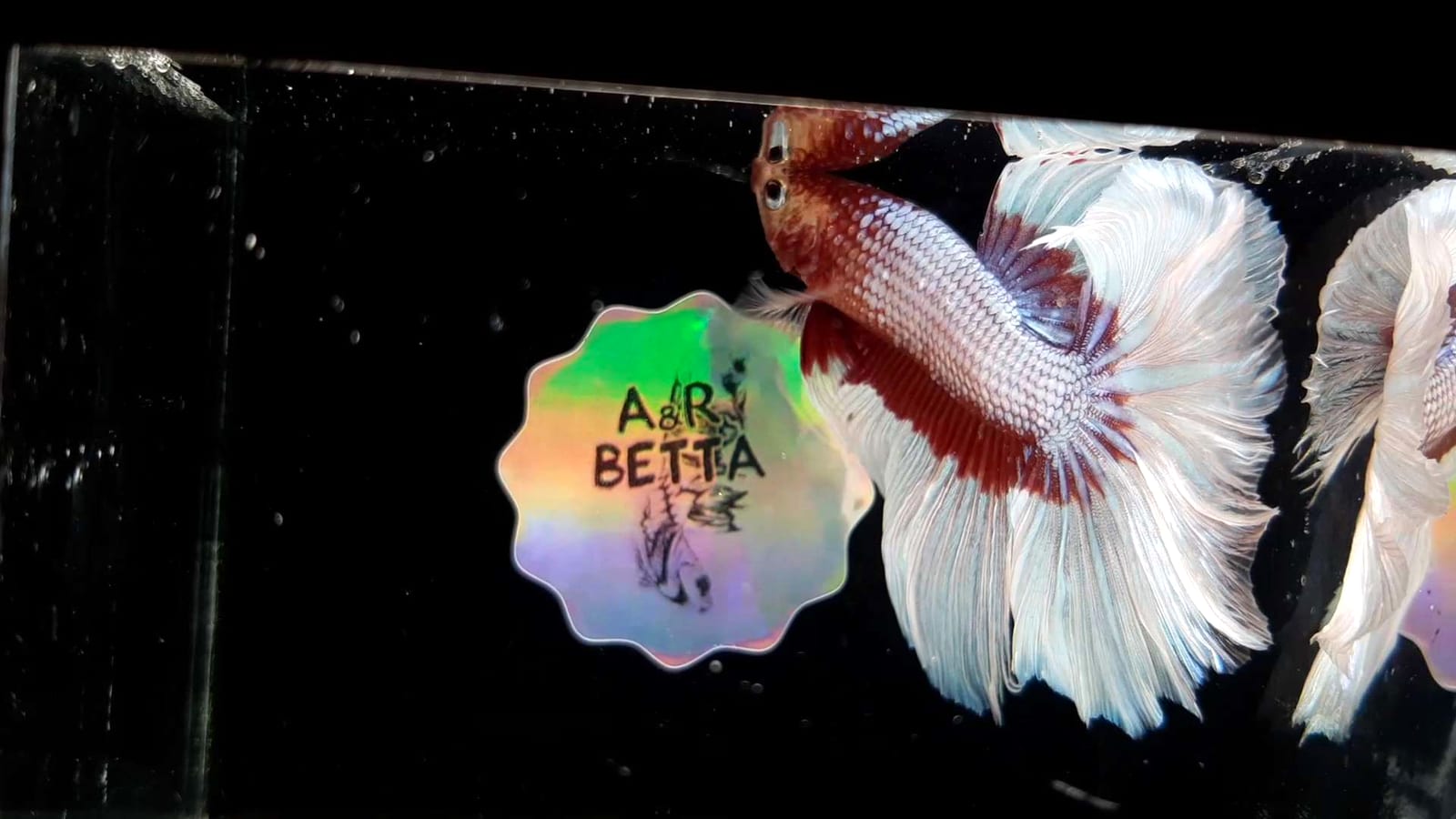
Hole in the Head disease (HITH) is less common in bettas than in the large cichlids where it is most discussed, but it does occur. The presentation is erosion or pitting at the sensory pores of the head and lateral line. It is one of the few fish diseases with a clear nutritional component, which means antiparasitic treatment alone is not enough.
What causes it
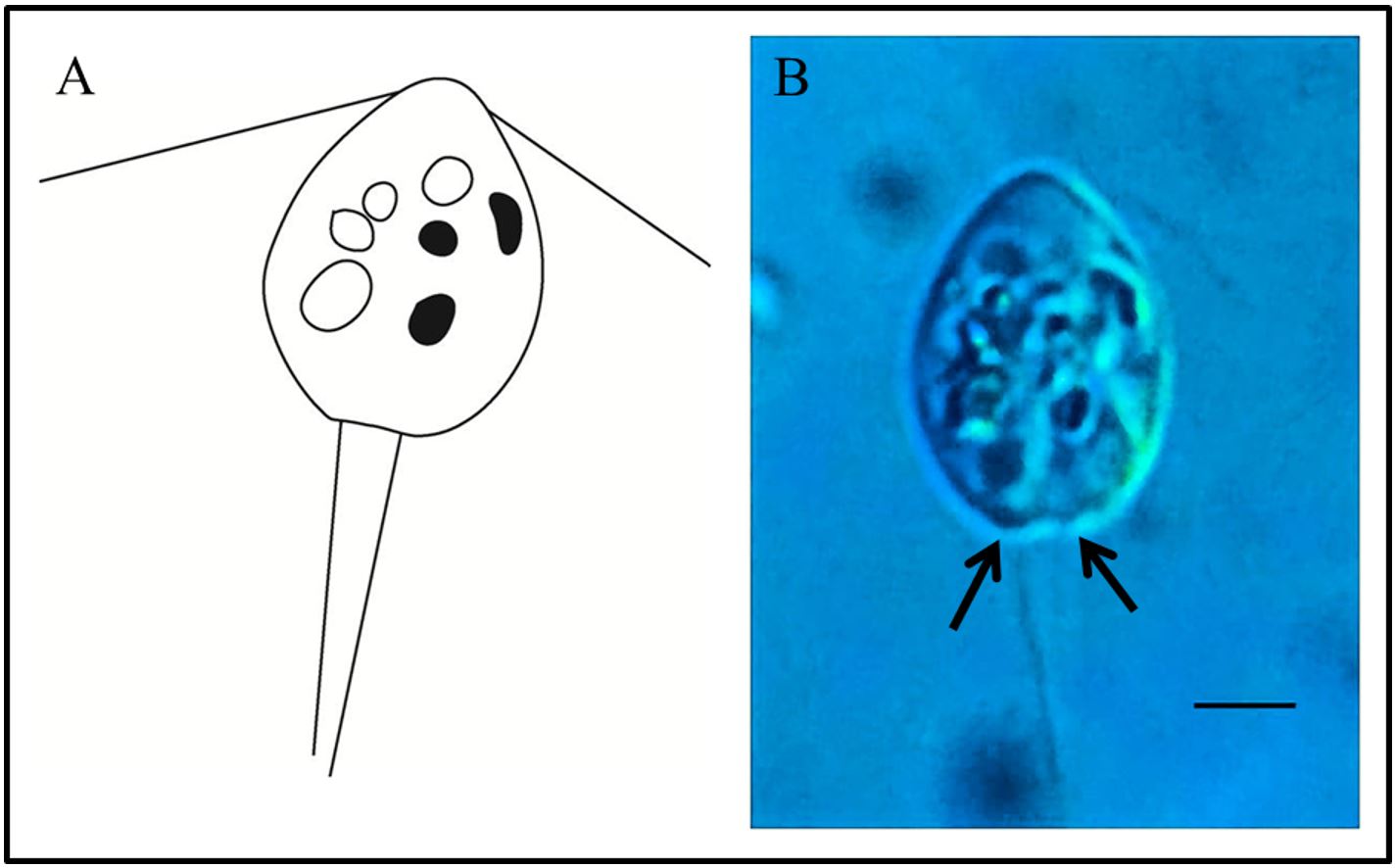
The primary agent is Hexamita (also classified as Spironucleus in current taxonomy), an intestinal flagellate protozoan carried asymptomatically by many fish at low levels. Under normal conditions the immune system keeps the population contained. When the fish is stressed, nutritionally deficient, or in persistently poor water, Hexamita proliferates and migrates from the intestinal tract toward the skin, particularly through the sensory pore canal system of the lateral line on the head.
Contributing factors that allow Hexamita to proliferate:
- Vitamin C deficiency: reduces tissue repair capacity; deficient bettas kept on a narrow dried-food diet are at risk
- Vitamin D and mineral deficiency: implicated in the erosion pattern
- Chronic poor water quality: elevated nitrate (>40 ppm sustained) is specifically associated with HITH onset in cichlids; the same mechanism is plausible in bettas
- Activated carbon overuse: long-term carbon use has been proposed as a factor in mineral depletion; not definitively proven but worth noting
Hexamita itself isn’t something one betta passes directly to another the way ich or velvet spreads. It’s an intestinal parasite most fish already carry at low levels, and disease only shows up once a fish’s defenses are down. That said, if the water and diet were poor enough to trigger HITH in one fish, every other fish sharing that tank is under the same pressure.
What it looks like
Early signs:
- Small whitish dots at the sensory pores just above and below the eyes and along the dorsal ridge of the head
- May look like tiny white pinpoint marks distinct from ich (ich is distributed on fins and body; HITH is specific to the head pore region)
Developing lesions:
- Erosions deepen into visible pits, 0.5–2 mm diameter
- Pits may have white rims or small mucus threads extending from them
- Multiple lesions typically present simultaneously
Advanced:
- Larger crater-like erosions
- Secondary bacterial or fungal infection colonizing the pits
- The fish shows lethargy and feeding reduction
Differential
| Appearance | More likely |
|---|---|
| Pinpoint white spots distributed over whole body and fins | Ich |
| White patches on head (not pit-shaped) | Columnaris or fungal |
| Pits on head with red inflammation | HITH with secondary bacterial infection |
| Single erosion at mouth corner | Mouth rot / columnaris |
| Raised white nodules | Lymphocystis |
Treatment
Step 1: Improve water quality and diet immediately
HITH will not resolve without addressing its predisposing factors. Before or alongside medication:
- Test and correct ammonia, nitrite, nitrate (target nitrate below 20 ppm; perform large water change if elevated)
- Remove activated carbon if it has been running continuously for more than 2 weeks
- Switch to a varied diet: add live or frozen bloodworm, daphnia, brine shrimp. Frozen bloodworm with high vitamin C content is specifically useful. A fish fed only one type of dried food is nutritionally at-risk. Hikari frozen bloodworm cubes (affiliate) are the most consistent readily available source.
Step 2: Metronidazole treatment
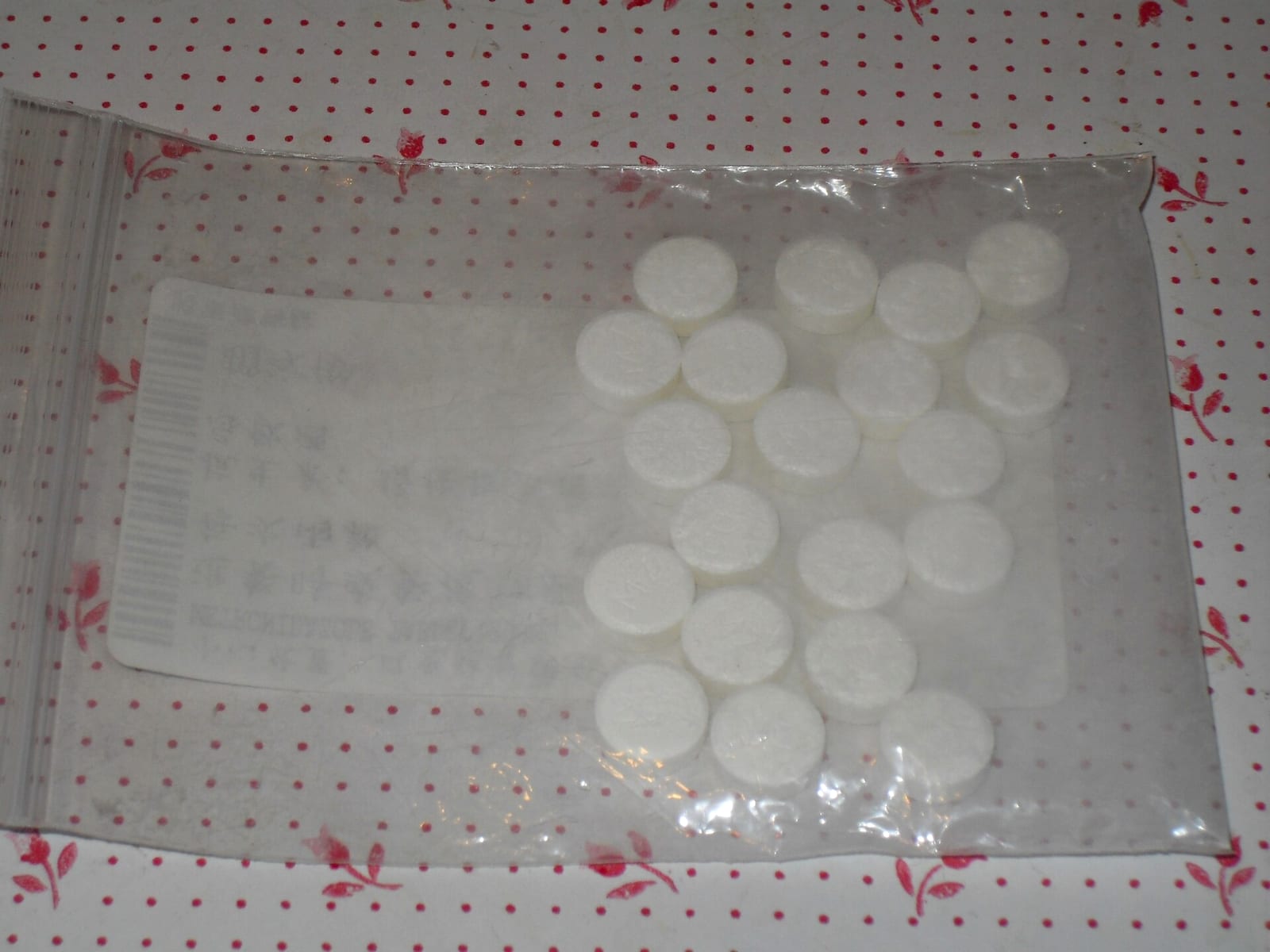
API General Cure (metronidazole 250 mg + praziquantel 75 mg per packet) is the most accessible OTC treatment. Follow the package dosing for a full two-treatment course. Metronidazole knocks back the Hexamita population, but without correcting the diet and water quality that let it proliferate, the improvement is usually temporary and the lesions come back.
API General Cure on Amazon Affiliate link. See our disclosure.
Seachem Metronidazole (pure metronidazole powder) can be dosed in food using Seachem Focus as a binder; internal dosing is more effective for intestinal protozoa than water-column dosing.
Treat in a hospital tank where possible. Metronidazole will not harm biological filtration at therapeutic doses, so hospital-tank treatment is for monitoring rather than biological necessity in this case.
Step 3: Monitor lesion healing
With correct treatment and care improvement, HITH lesions typically stop progressing within 5–7 days. They heal slowly: the pits fill in with tissue over weeks, not days. Full resolution of visible lesions may take 4–8 weeks.
If secondary bacterial infection has colonized the pits, a course of kanamycin after the metronidazole course addresses this.
Prevention
The preventive strategy is the same as for most chronic bettas diseases:
- Diet variety: at least 2–3 food types, including live or frozen
- Weekly partial water changes keeping nitrate below 20 ppm
- Avoid extended continuous activated carbon use
- Correct temperature
HITH is one of the few betta diseases where chronic husbandry quality predicts incidence more reliably than acute events like temperature shocks or exposures (Merck Veterinary Manual, Protozoan Diseases of Fish; Noga, Fish Disease: Diagnosis and Treatment, 2nd ed., 2010).